Automatic Watches
Automatic watches worth buying, compared on movement, specs and the price you'd pay today — by price band, by style, and by model. Real in-house movements flagged, workhorses called what they are.
An automatic watch runs on a wound spring instead of a battery, kept going by a rotor that winds it from the motion of your wrist. Buy a good one and it can outlast you with the odd service; buy on marketing and you can pay Swiss money for a bought-in movement in a dressed-up case. Our job here is to tell those apart — on the movement, the case and crystal, and the price you’d actually pay today.
We’ve organized the picks the way people shop: by price band (under $500, under $1,000), by use (a dive watch, an affordable everyday automatic, a first watch), and by model for the ones worth a page of their own. Every roundup leads with a quick-pick table so the answer is on the first screen, then explains the reasoning watch by watch.
Two routes in, depending on how you shop. By style: the pilot watch roundup sits alongside the dive, field and dress pages and covers the flieger layout most listings get wrong. By size: our 40mm roundup is the middle ground between the small-wrist and big-wrist pages, with every diameter published rather than estimated. If you are still working out what any of the specifications mean, start at the Learn hub.
Everything in Automatic Watches
Best Automatic Watches Under $500
The strongest automatics under $500 — the highest-demand band, where the value is genuinely excellent.
Our top pick
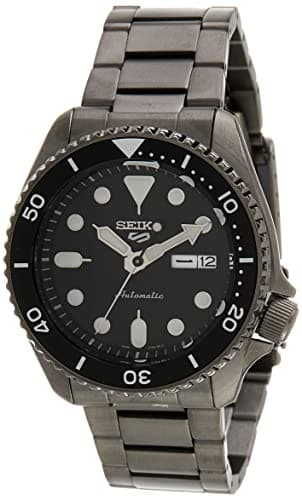
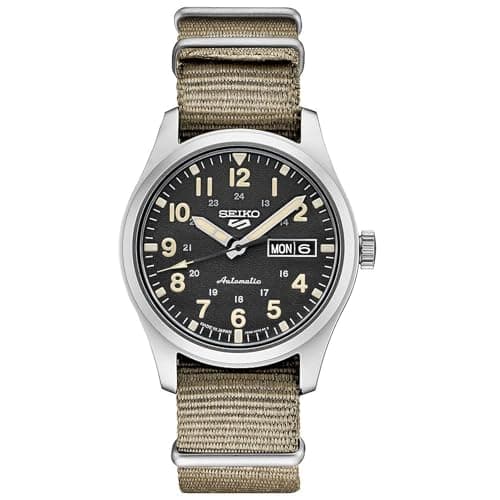
Seiko 5 Sports SRPD65
Best Automatic Watches Under $1,000
Step-up automatics under $1,000 — where finishing, sapphire and better movements start to appear.
Our top pick
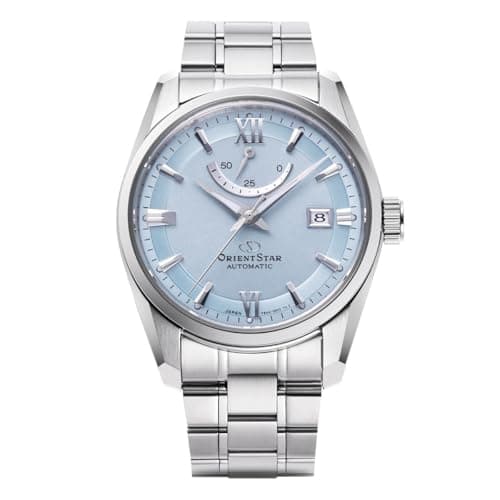
Orient Star Standard Automatic
$549.99 · View on AmazonPrice as of October 20, 2026. #ad How we’re funded
Best Affordable Automatic Watches
The best-value automatics at every low price point — the watches that punch above their cost.
Our top pick
Seiko 5 Sports SRPD65
Best Entry-Level Automatic Watches
Your first automatic, done right — reliable movements and honest specs, from about $100 up.
Our top pick
Seiko 5 Sports SRPD65
Best Automatic Dive Watches
Automatic divers compared on water resistance, crystal and movement — from a $100 icon to a true 200m tool watch.
Our top pick
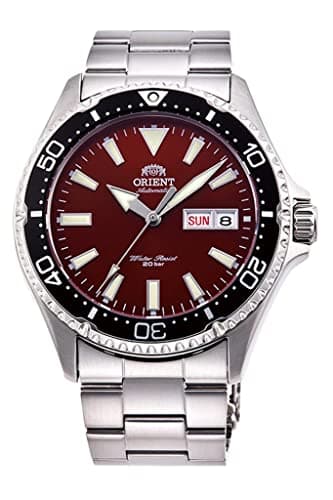
Orient Kamasu Diver (RA-AA0003R)
$285.00 · View on AmazonPrice as of October 20, 2026. #ad How we’re funded
Best Seiko 5 Automatic Watches
Which Seiko 5 Sports to buy — the models compared, and why this is the reference first automatic.
Our top pick
Seiko 5 Sports SRPD65
Orient Bambino Review & Alternatives
The classic affordable dress automatic reviewed, plus the versions and alternatives worth knowing.
Our top pick
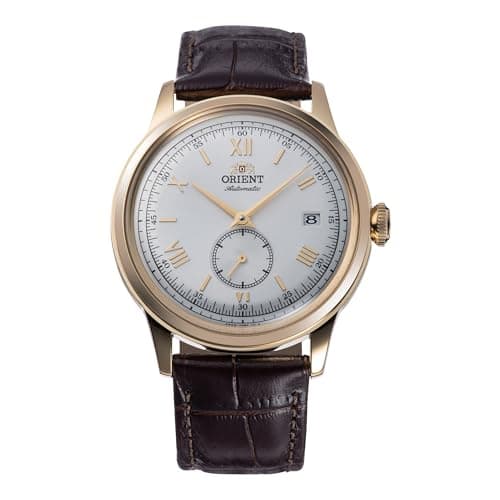
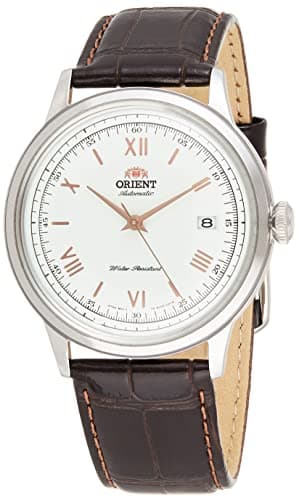
Orient Bambino (Version 7, Small Seconds)
$280.00 · View on AmazonPrice as of October 20, 2026. #ad How we’re funded
Best Automatic Watches Under $100
The thin end of the market, honestly mapped — the handful of real self-winding watches that stay under $100.
Our top pick
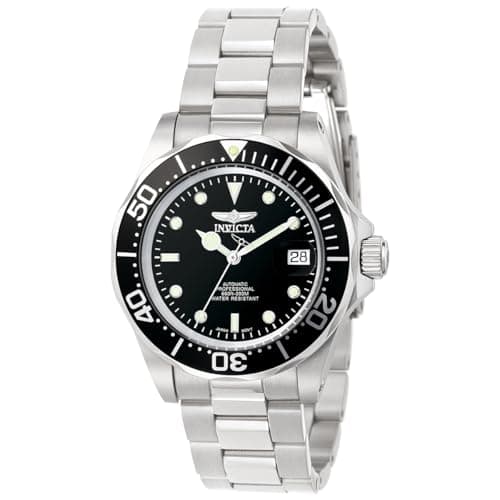
Invicta Pro Diver 8926OB
$91.22 · View on AmazonPrice as of October 20, 2026. #ad How we’re funded
Best Automatic Watches Under $200
Where sapphire, titanium and named movements start appearing — the best-value band in mechanical watches.
Our top pick
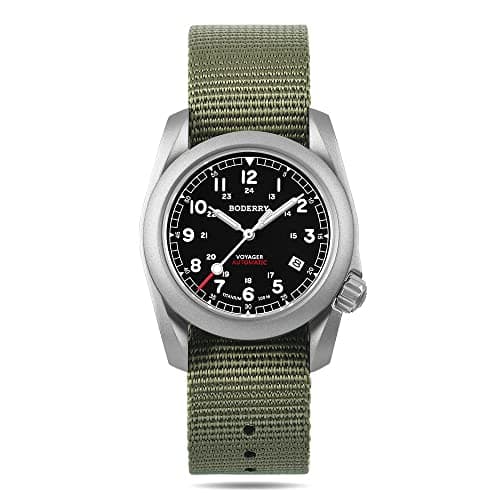
Boderry Titanium Field Automatic 40mm
Best Automatic Watches Under $300
In-house Japanese movements, real dive ratings and design you'd choose on its own merits — under $300.
Our top pick
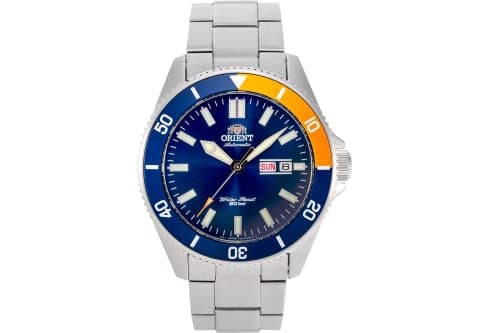
Orient Kanno Diver (RA-AA0913L19B)
$239.98 · View on AmazonPrice as of October 20, 2026. #ad How we’re funded
Best Automatic Watch Brands
Who actually makes their own movements, who buys them in, and which brand suits which kind of buyer.
Our top pick
Seiko 5 Sports SRPD65
Best Automatic Field Watches
Legible, tough, no bezel — field automatics compared on the things that make a watch usable outdoors.
Our top pick
Seiko 5 Sports Field SRPG35
$252.00 · View on AmazonPrice as of October 20, 2026. #ad How we’re funded
Best Automatic GMT Watches
Mechanical second-time-zone watches, from a $140 homage to Seiko's 4R34 — and the caller-vs-traveler difference that decides them.
Our top pick
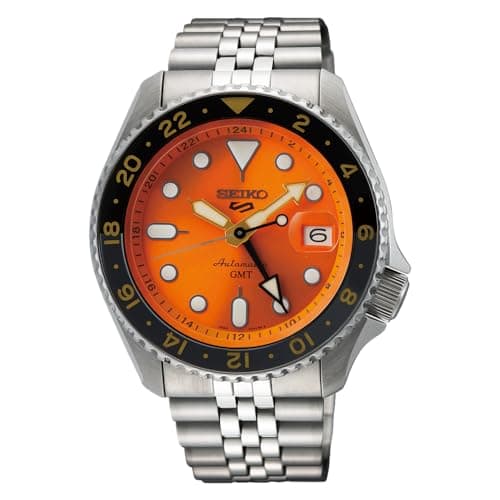
Seiko 5 Sports GMT SSK005
$459.02 · View on AmazonPrice as of October 20, 2026. #ad How we’re funded
Best Automatic Dress Watches
Thin cases, clean dials and movements worth showing — dress automatics that work under a cuff.
Our top pick
Orient Bambino (Version 7, Small Seconds)
$280.00 · View on AmazonPrice as of October 20, 2026. #ad How we’re funded
Best Skeleton Automatic Watches
Open-heart and fully skeletonized automatics — what you're really looking at, and what it costs.
Our top pick
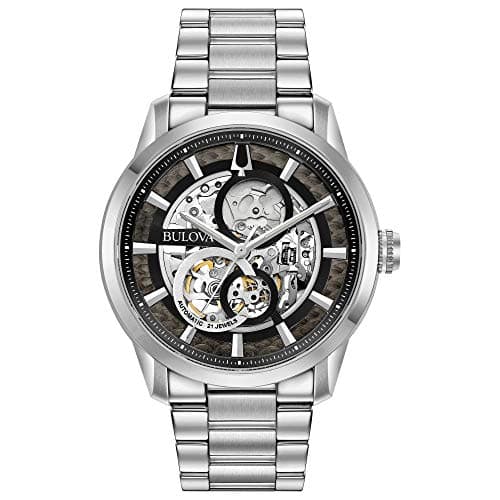
Bulova Classic Sutton Automatic Skeleton (96A208)
$388.00 · View on AmazonPrice as of October 20, 2026. #ad How we’re funded
Best Automatic Watches for Women
A genuinely thin market, mapped honestly — real mechanical watches sized for smaller wrists.
Our top pick
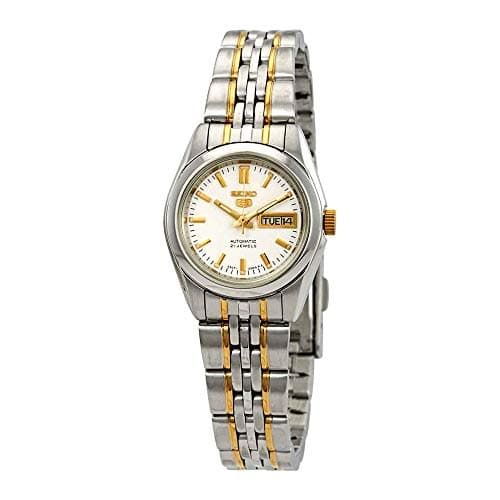
Seiko 5 Automatic Ladies SYMA35
$146.68 · View on AmazonPrice as of October 20, 2026. #ad How we’re funded
Citizen Tsuyosa Review & Alternatives
The integrated-bracelet automatic that undercut everything else in its class — reviewed, with the alternatives.
Our top pick
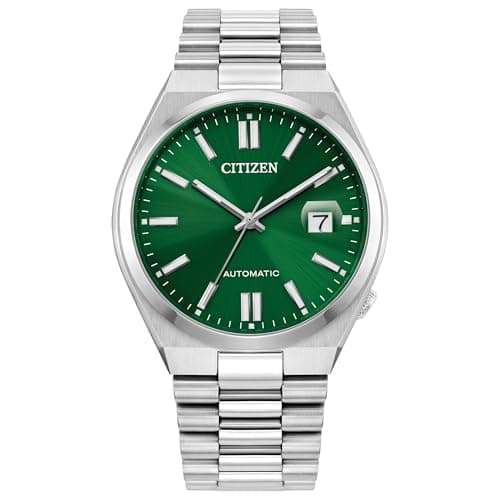
Citizen Tsuyosa (NJ0)
Timex Marlin Automatic Review & Alternatives
A 1960s Timex reissued as a modern automatic — what it does well, where it doesn't, and what else to look at.
Our top pick
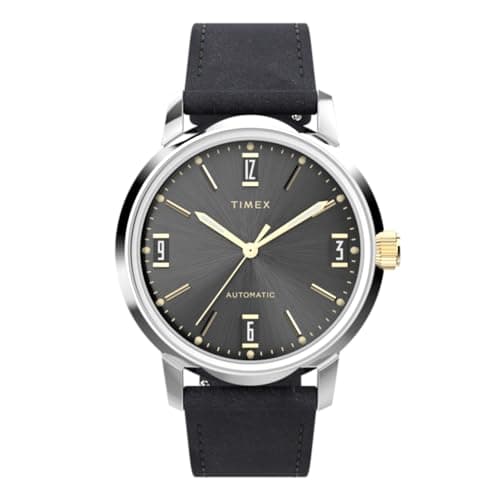
Timex Marlin Automatic 40mm
$269.00 · View on AmazonPrice as of October 20, 2026. #ad How we’re funded
Invicta Pro Diver 8926OB Review & Alternatives
The most-sold automatic under $100, reviewed without the sneering — and the honest case for spending more.
Our top pick
Invicta Pro Diver 8926OB
$91.22 · View on AmazonPrice as of October 20, 2026. #ad How we’re funded
Best Mechanical Chronograph Watches
Column-wheel mechanical chronographs from about $200 — and the fact no listing tells you: almost every affordable one is hand-wound, not automatic.
Our top pick
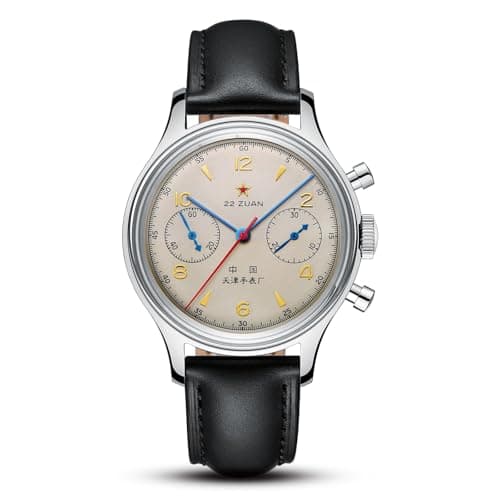
Sea-Gull 1963 Chronograph ST1901
$279.00 · View on AmazonPrice as of October 20, 2026. #ad How we’re funded
Best Moonphase Automatic Watches
Moonphase and sun-and-moon automatics compared — starting with the difference between the two, which decides which watch you actually want.
Our top pick
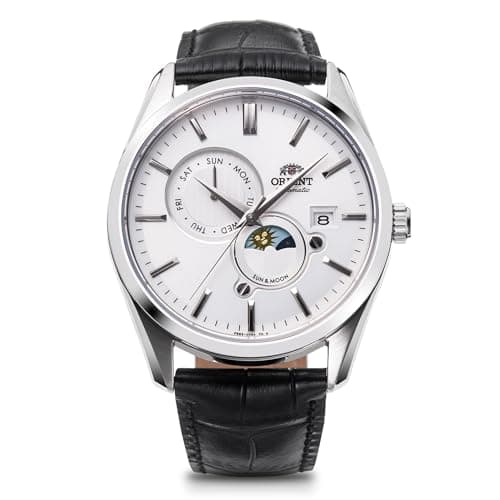
Orient Sun & Moon Automatic
$319.98 · View on AmazonPrice as of October 20, 2026. #ad How we’re funded
Best Automatic Pilot Watches
Flieger and aviation automatics from $86 up, compared on dial legibility, the Type A versus Type B layout, and what the movement actually is.
Our top pick
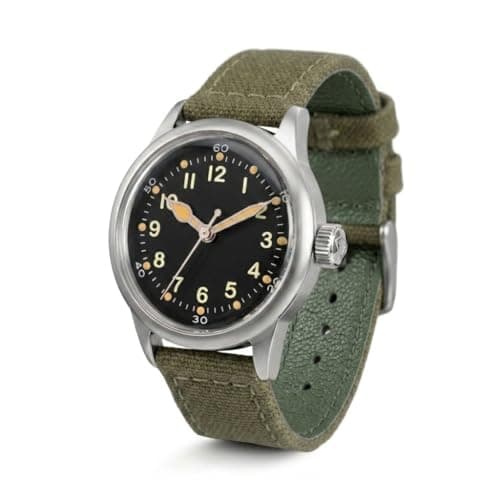
Praesidus A-11 Automatic Field Watch (38mm)
$259.99 · View on AmazonPrice as of October 20, 2026. #ad How we’re funded
Best NH35 Watches
The Seiko movement that made the micro-brand boom possible — what it actually is, and the watches built around it that are worth buying.
Our top pick
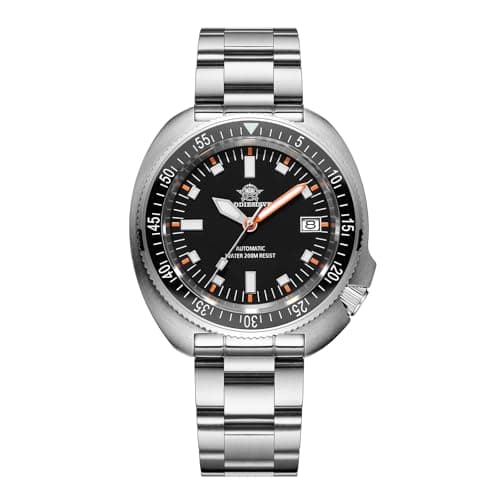
ADDIESDIVE NH35 Diver 200m
$162.99 · View on AmazonPrice as of October 20, 2026. #ad How we’re funded
Best Automatic Watches for Small Wrists
36mm and 38mm automatics that fit properly — and why lug-to-lug distance, not case diameter, is what actually decides fit.
Our top pick
Orient Bambino Version 2 (38mm)
$255.00 · View on AmazonPrice as of October 20, 2026. #ad How we’re funded
Best Seiko Presage Watches
Seiko's dress line, mapped: which Cocktail Time to buy, what separates the tiers, and where the extra money actually goes.
Our top pick
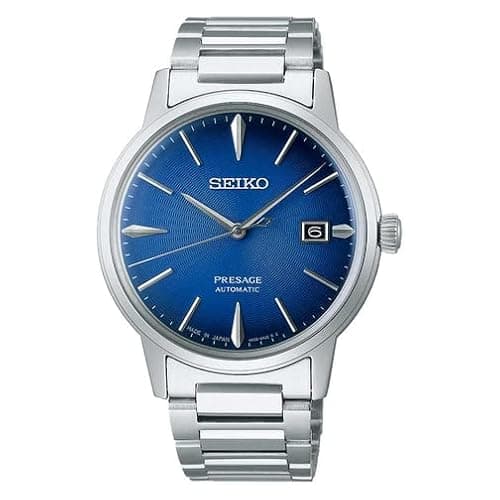
Seiko Presage SRPJ13 (Aviation blue)
$475.00 · View on AmazonPrice as of October 20, 2026. #ad How we’re funded
Seiko Turtle Review & Alternatives
The cushion-cased ISO diver that enthusiasts keep buying — reviewed on its published specs, with the four watches worth cross-shopping.
Our top pick
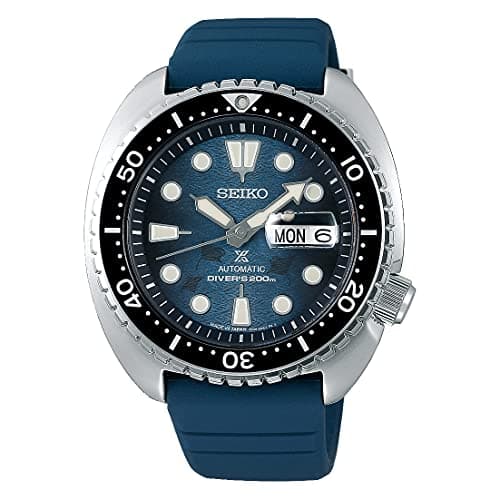
Seiko Prospex Turtle SRPF77
$625.00 · View on AmazonPrice as of October 20, 2026. #ad How we’re funded
Orient Kamasu Review & Alternatives
Sapphire, 200m and an in-house movement for the price of a Seiko 5 — the Kamasu reviewed, and where it beats and loses to the obvious rivals.
Our top pick
Orient Kamasu Diver (RA-AA0003R)
$285.00 · View on AmazonPrice as of October 20, 2026. #ad How we’re funded
Best Automatic Watches With a Sapphire Crystal
The one spec that most affects how a watch looks after five years - and the automatics that fit sapphire for under $500.
Our top pick
Orient Kamasu Diver (RA-AA0003R)
$285.00 · View on AmazonPrice as of October 20, 2026. #ad How we’re funded
Best Open-Heart Automatic Watches
A window onto the balance wheel, not a skeleton dial. The difference, and the six watches worth owning for it.
Our top pick
Orient Bambino Open Heart
$275.00 · View on AmazonPrice as of October 20, 2026. #ad How we’re funded
Best Vintage-Style Automatic Watches
Domed crystals, smaller cases and 1960s dials - modern automatics that look forty years older than they are.
Our top pick
Timex Marlin Automatic 40mm
$269.00 · View on AmazonPrice as of October 20, 2026. #ad How we’re funded
Best Micro-Brand Automatic Watches
Sapphire, 300m cases and Seiko movements at prices the big brands cannot match - and exactly what you give up to get them.
Our top pick
Steeldive SD1953 300m Diver
$195.00 · View on AmazonPrice as of October 20, 2026. #ad How we’re funded
Orient Mako II Review: Specs, Rivals and Who Should Buy One
The cheapest way into a real in-house automatic diver, reviewed against the Kamasu, the Kanno and the obvious alternatives.
Our top pick
Orient Mako II Diver
$240.00 · View on AmazonPrice as of October 20, 2026. #ad How we’re funded
Pagani Design Watches: Which Ones Are Actually Worth Buying
Sapphire crystals and Seiko NH35 movements for homage money. What that buys, what it does not, and the five models worth it.
Our top pick
Pagani Design GMT Automatic 40mm
$169.99 · View on AmazonPrice as of October 20, 2026. #ad How we’re funded
Seiko 5 Sports GMT (SSK001) Review: Specs, Rivals and Who Should Buy One
The watch that made a mechanical second time zone affordable, reviewed on Seiko's own published specs - and the four alternatives worth weighing against it.
Our top pick
Seiko 5 Sports GMT SSK005
$459.02 · View on AmazonPrice as of October 20, 2026. #ad How we’re funded
Best Automatic Watches for Lume
The specification you test every night and cannot check in a photograph - ranked on what the maker actually publishes about the luminous material.
Our top pick
Seiko Prospex SRPF03
Best Automatic Watches for Big Wrists
42mm to 47mm automatics for a wrist the industry stopped designing for - and why lug-to-lug, not diameter, is what decides whether a big watch fits.
Our top pick
Seiko 5 Sports SRPD65
Best Invicta Automatic Watches
Invicta sells hundreds of watches and only a handful wind themselves. The five automatics worth considering, and the two things none of them will give you.
Our top pick
Invicta Pro Diver 8926OB
$91.22 · View on AmazonPrice as of October 20, 2026. #ad How we’re funded
Best Orient Watches
Every Orient line ranked on the specification Orient itself publishes - and the two choices that actually decide which one you buy, neither of which is the movement.
Our top pick
Orient Kamasu Diver (RA-AA0003R)
$285.00 · View on AmazonPrice as of October 20, 2026. #ad How we’re funded
Best Seiko Automatic Watches
Seiko 5 Sports, Prospex, Presage and the 5 Sports GMT ranked against each other on Seiko's own published sheets - because the line name, not the price, is what decides which Seiko you should buy.
Our top pick
Seiko 5 Sports SRPD65
Steeldive SD1970 Review
AR-coated sapphire, a 120-click ceramic bezel and a published 46.8mm lug-to-lug under $250 - what the specification buys, and what wearing someone else's design costs.
Our top pick
Steeldive SD1970 200m Diver
$219.90 · View on AmazonPrice as of October 20, 2026. #ad How we’re funded
Best Seiko Prospex Watches
Six automatic Prospex divers ranked on the sheet Seiko publishes for each reference - and the one pick that answers the line's biggest complaint about its crystal.
Our top pick
Seiko Prospex SRPG57
Best Citizen Automatic Watches
Every mechanical Citizen you can actually buy, ranked on Citizen's own sheets - and the check to make first, because most watches sold under Citizen's name are Eco-Drive, not automatics.
Our top pick
Citizen Tsuyosa (NJ0)
Best 40mm Automatic Watches
The size most people are told to buy, with the diameter confirmed on every entry - and the second number that decides whether a 40mm watch actually fits you.
Our top pick
Citizen Tsuyosa (NJ0)
Best Automatic Watches for Everyday Wear
One watch, worn all week, in the rain and at the gym - ranked on published water resistance, a named caliber and a case you can live with, not on looks.
Our top pick
Orient Kamasu Diver (RA-AA0003R)
$285.00 · View on AmazonPrice as of October 20, 2026. #ad How we’re funded
Best Automatic Dive Watches Under $200
Sapphire, 200m and a Seiko NH35 for less than $200 - what that money genuinely buys, and the one word on a dial that separates a dive watch from a diver-styled one.
Our top pick
ADDIESDIVE NH35 Diver 200m
$162.99 · View on AmazonPrice as of October 20, 2026. #ad How we’re funded
Best Automatic Watches With a Day-Date
Seven automatics where the maker publishes a day AND a date for that exact reference - and the caliber rule that decides which watches can have one at all.
Our top pick
Orient Kamasu Diver (RA-AA0003R)
$285.00 · View on AmazonPrice as of October 20, 2026. #ad How we’re funded
Best Homage Watches
Six automatics that borrow a famous design without faking a brand, each named against the watch it echoes - and an honest account of what the saving costs you.
Our top pick
Invicta Pro Diver 8926OB
$91.22 · View on AmazonPrice as of October 20, 2026. #ad How we’re funded
Sea-Gull 1963 Chronograph Review
The column-wheel ST1901 from the factory that developed China's first aviation chronograph - what it is, what Sea-Gull does not publish, and four alternatives.
Our top pick
Sea-Gull 1963 Chronograph ST1901
$279.00 · View on AmazonPrice as of October 20, 2026. #ad How we’re funded
Best 38mm Automatic Watches
Four automatics whose makers publish 38mm on the nose - a dress watch, a field reissue, a pilot and a small-seconds classic - and why 38 is the size most men end up back at.
Our top pick
Orient Bambino Version 2 (38mm)
$255.00 · View on AmazonPrice as of October 20, 2026. #ad How we’re funded
Best Japanese Automatic Watches
Six watches from the three Japanese houses that build their own calibers - Seiko, Orient and Citizen - with what each one actually publishes about the movement inside.
Our top pick
Seiko 5 Sports SRPD65
Best Green Dial Automatic Watches
Green is the hardest dial color to buy online, because almost nobody publishes which green. Five automatics whose makers state a green dial for the exact reference.
Our top pick
Orient AC0Q Diver RA-AC0Q11E30B (green)
$254.72 · View on AmazonPrice as of October 20, 2026. #ad How we’re funded
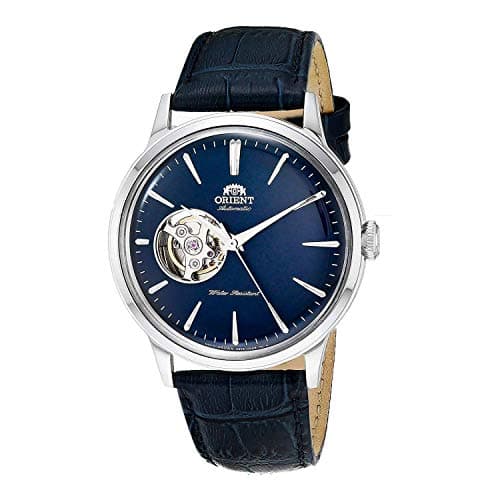
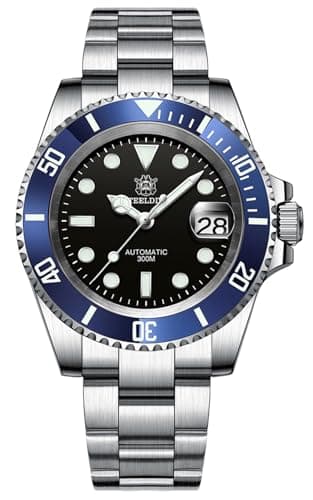
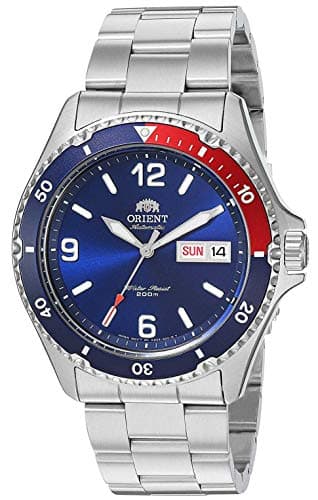
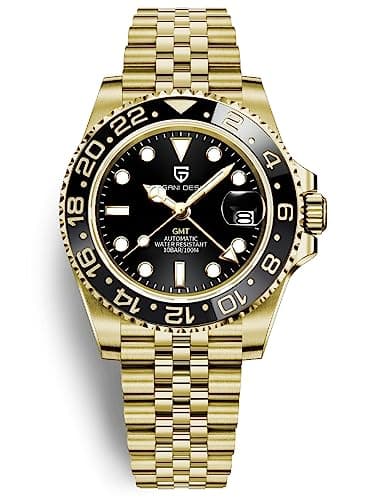
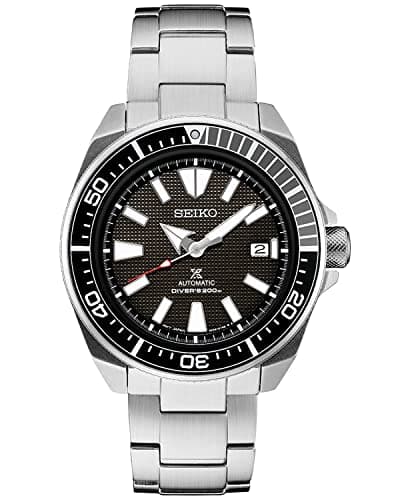
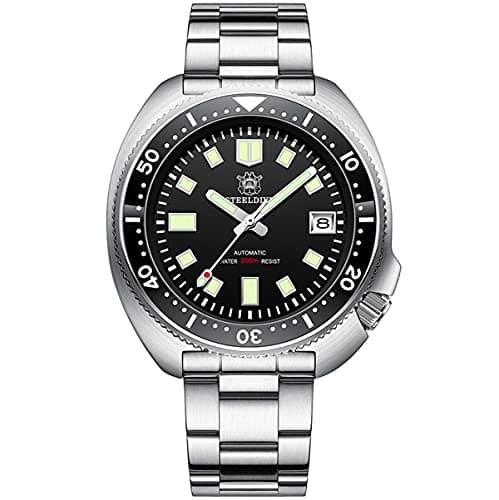
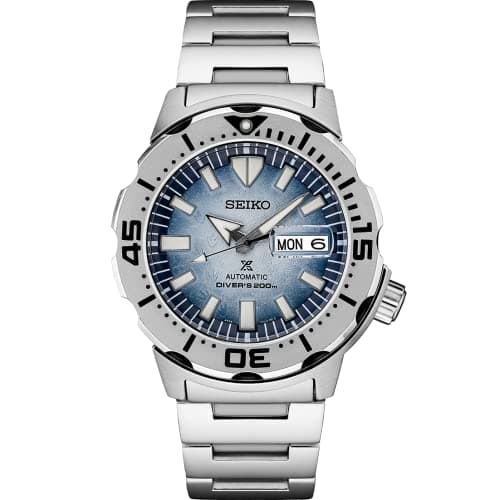
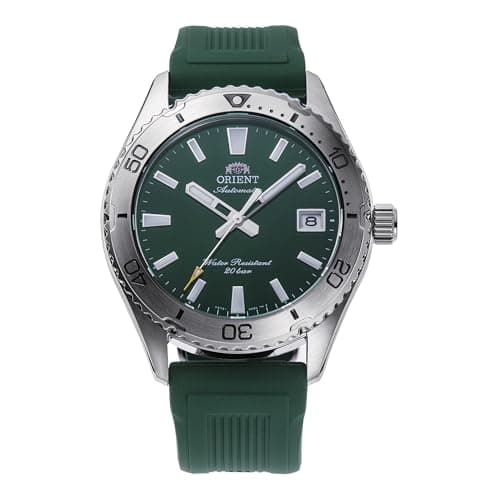
How to choose an automatic watch
Start with the movement, because it’s what you’re really buying. Some brands make their own — Seiko, Orient and Citizen build in-house calibers even at low prices, which is rare and genuinely a point in their favor. Others (Timex, Invicta) fit a reliable bought-in Japanese movement, which is a fair trade at the price as long as nobody pretends otherwise. On every watch we note whether it hacks (the seconds hand stops so you can set it precisely) and hand-winds, because a movement that does both is nicer to live with.
Accuracy: set your expectations
A mechanical watch is a tiny physical oscillator, so it drifts a little. Affordable automatics are rated in tens of seconds a day— perfectly fine, but not the same thing as a Swiss COSC chronometer, which runs to −4/+6 seconds a day. We state the maker’s figure where they publish one and print “Not published” where they don’t — because plenty of brands quietly don’t. If you want the full picture, our how automatic watches work guide covers it.
What decides the price
Movement grade, case and crystal (a scratch-prone mineral crystal versus sapphire is a real difference), water resistance, finishing, and brand. A $200 watch with an in-house movement and a sapphire crystal can genuinely out-spec a pricier one that skimps on both, so read the spec table, not the price tag. Where a cheaper watch wins for the buyer, that’s our pick. The clearest place to see that is the under-$300 band, where Orient, Seiko and Citizen all sell watches running calibers they built themselves.
The mistake buyers make
Chasing a brand name or a homage look instead of matching the watch to how they’ll wear it. A 45mm diver is a poor daily watch on a slim wrist; a 30m dress watch is a poor choice if you want to swim. Pick the usefirst, then the best watch for it — which is exactly how our roundups are split.
Frequently asked questions
What's the best first automatic watch?
For most people, a Seiko 5 Sports or an Orient — both use reliable in-house movements, cost well under $500, and hold up for years. If you want a diver, the Orient Kamasu or a Seiko is the usual answer; for a dress watch, the Orient Bambino. Our entry-level and under-$500 roundups lay out the choices.
Are automatic watches more accurate than quartz?
No. A quartz watch is far more accurate day to day. Automatics are bought for the mechanical craft, the sweep of the seconds hand, and the fact that they need no battery — not for accuracy. An affordable automatic runs to tens of seconds a day; a COSC chronometer to -4/+6.
How much should I spend on my first automatic?
You can get a genuinely good automatic with an in-house movement for $100 to $300, so there's no need to overspend to start. The under-$500 band is the value sweet spot; under $1,000 buys nicer finishing and sapphire. Spend to the level you'll actually wear, not to a badge.
Do automatic watches need servicing?
Yes, eventually — a mechanical movement is designed to be cleaned and re-oiled every several years, like any precision machine. It's a real ongoing cost that a quartz watch doesn't have, and worth factoring in when you buy.
Sources
- Seiko — Caliber 4R35 / 4R36 instruction & specification — Seiko's official spec for the 4R35/4R36: automatic + hand-winding, 24 jewels, 21,600 vph, ~41h reserve, accuracy +45 to -35 sec/day worn on wrist (accessed July 21, 2026)
- COSC — Contrôle Officiel Suisse des Chronomètres: certified chronometer — The Swiss chronometer standard: a certified mechanical chronometer must average -4/+6 seconds per day, tested per ISO 3159 over ~15 days in 5 positions and 3 temperatures (accessed July 21, 2026)
- Mechanical watch — Wikipedia — Reference walk-through of the power flow in a mechanical/automatic watch: rotor → mainspring → gear train → escapement → balance wheel (accessed July 21, 2026)