Learn
Plain-English answers to how automatic watches and winders actually work — the ownership questions people search for, answered without the jargon or the sales pitch.
You don’t need to understand a movement to enjoy a watch — but a little knowledge saves you money and stops you buying the wrong thing. These guides answer the ownership questions people actually search for, in plain English, with no jargon and no sales pitch: how an automatic keeps time with no battery, whether a winder is worth buying, and how many turns a day a watch actually needs.
Everything here is written to be checkable. Where we make a factual claim — an accuracy standard, how a mechanism works — we cite the maker or a published source, and where a figure isn’t published we say so rather than guessing. The guides also feed our buying pages: read the theory here, then let a roundup turn it into a shortlist.
Everything in Learn
Do Automatic Watches Need a Winder?
The honest answer: usually no. Here's exactly when a winder is worth it and when it isn't.
Is a Watch Winder Worth It?
What a winder does, the real arguments for and against, and who actually benefits from one.
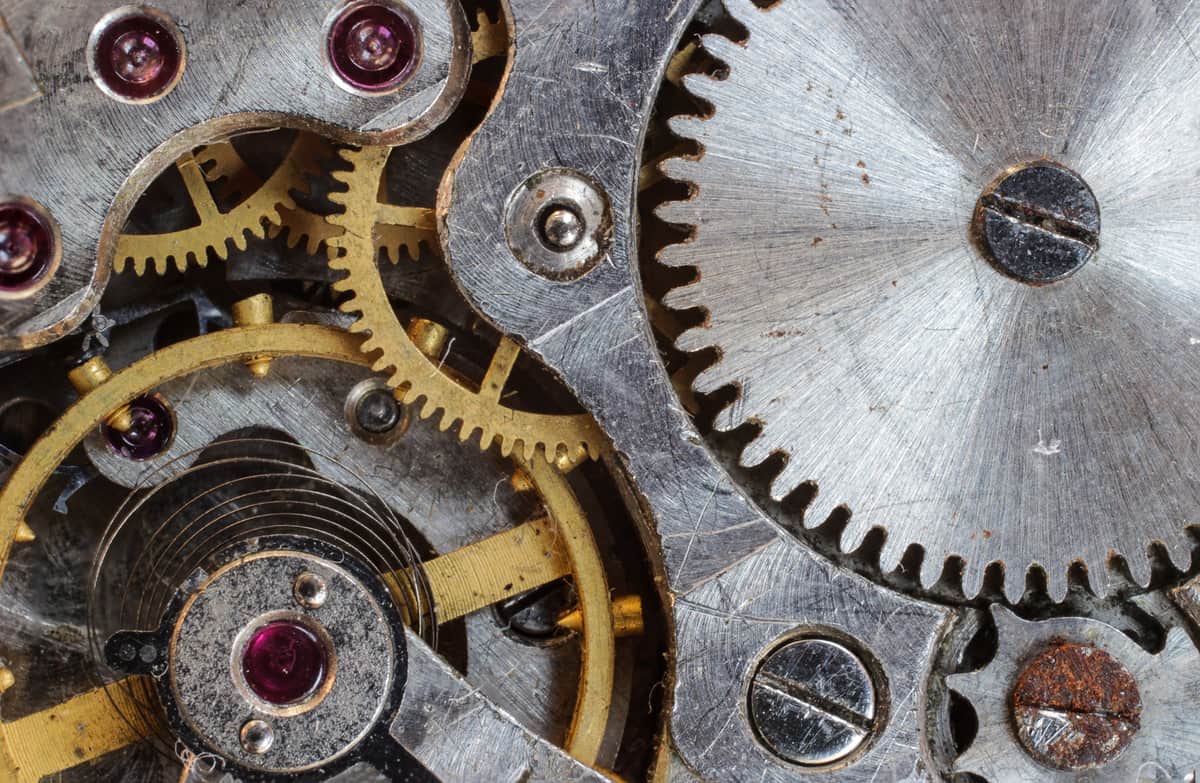
How Automatic Watches Work
Rotor, mainspring, gear train, escapement — how a watch runs on your wrist with no battery, explained simply.
Watch Winder TPD Settings by Brand
Turns per day and direction explained, with a reference table of common movements and brands.
How to Wind an Automatic Watch
The right way to start a stopped automatic, how many turns it takes, and why you cannot overwind one.
Automatic vs Quartz Watches
Accuracy, cost, maintenance and feel — the honest comparison, including where a smartwatch fits.
Automatic Watch Accuracy Explained
What -35/+45 seconds a day actually means, what COSC certifies, and when your watch really is running badly.
Automatic Watch Movements Explained
In-house, NH35, Miyota, Swiss — what the caliber name on a spec sheet tells you, and what it doesn't.
Are Cheap Automatic Watches Worth It?
Where the money goes between $50 and $500, and the exact points at which spending more stops paying you back.
How to Set an Automatic Watch
Time, date and day in the right order — and the one window of hours where changing the date can damage the movement.
Why Is My Automatic Watch Losing Time?
Work through it in order: power reserve, magnetism, position, then service. Most cases are the first two, and both are free to fix.
How Long Do Automatic Watches Last?
Decades, with servicing — and a straight answer on which parts wear, what actually kills a cheap automatic, and when repair stops being worth it.
Automatic Watch Service: What It Costs and When You Need It
What an overhaul actually involves, how often it's genuinely needed, and the price point at which servicing a watch stops making sense.
Watch Water Resistance Explained
30m does not mean 30 meters. What the depth markings actually permit, what ISO 6425 adds, and the one habit that ruins more watches than swimming does.
Do Watch Winders Damage Watches?
No, and the overwinding fear is mechanically impossible — but there is a real wear argument, and it is worth understanding before you buy.
How to Choose an Automatic Watch
The five decisions that actually matter - movement, size, crystal, water resistance and brand - in the order you should make them.
What Is Lume on a Watch?
Super-LumiNova, LumiBrite and the cheap stuff: how watch lume works, why it fades by morning, and how to charge it properly.
How to Store Automatic Watches
Stopped, wound or on a winder - what actually happens to a mechanical watch in storage, and the three mistakes that cost money.
How to Demagnetize a Watch
Magnetism is the most common reason a healthy automatic suddenly runs minutes fast. How to confirm it, and how to fix it.
Automatic Watch Power Reserve Explained
What the hours figure means, why your watch rarely reaches it, and how long an automatic really runs after you take it off.
Watch Size Guide: What Case Size Actually Fits You
Case diameter is the number everyone quotes and the wrong one to buy on. Lug-to-lug and thickness decide the fit.
How to Resize a Watch Bracelet
Removing links from a steel bracelet at home: pin types, which side to push from, and how to get the half-link balance right.
Who Actually Makes Automatic Watch Movements
Seiko, Miyota, ETA, Sellita, Sea-Gull and Hangzhou supply most of the industry. Which caliber is in your watch, and what it means.
What Does Hacking Mean on a Watch?
The two spec-sheet words that change how a watch feels to own. What each one does, and which movements have them.
Why Does My Automatic Watch Keep Stopping?
Stopped overnight, stopped on your wrist, or stopped after a few hours - three different faults with three different fixes, and only one of them costs money.
Can You Wear an Automatic Watch Every Day?
Yes - and daily wear is what a self-winding movement is designed for. The real questions are the shower, the gym, sleeping in it and the magnets in your own home.
How to Tell If a Watch Is Automatic
Six checks in order of certainty, from the caseback to the crown - and why the sweeping-seconds-hand test everybody quotes is the least reliable one of the six.
How to Use a Watch Winder
Seven setup steps in the right order - including the two people reverse: direction before turns, and the time set only once the watch is already wound.
Should a Watch Winder Be On All the Time?
Yes - because “on” does not mean “turning”. A 900 turns-per-day program averages one rotation every 96 seconds, and the battery figures prove how little a winder runs.
How Many Watch Winders Do I Need?
Almost always fewer positions than watches, and the size of your collection is not one of the inputs. Three questions decide the number.
Do Watch Winders Work on Manual Watches?
No - a winder swings a rotor and a hand-wound movement has none. But Seiko Kinetic looks like the exception, is not an automatic, and genuinely benefits.
How Long Do Watch Winders Last?
No maker publishes a lifespan, so we do not invent one. What they publish is a warranty and a repair policy - five years at WOLF, two plus repairs at Barrington.
How Many Hours a Day Do You Need to Wear an Automatic Watch?
Hours are the wrong unit - arm movement is. What the published 40 to 42 hour reserve figures actually buy you, and the weekly habit that settles it.
Can You Overwind an Automatic Watch?
No - a slipping bridle in the mainspring barrel makes it mechanically impossible. The watch you can overwind is the hand-wound kind, and plenty of people own one unknowingly.
Do Automatic Watches Need Batteries?
No, and there is nowhere to put one. But three kinds of watch that look identical to an automatic do contain a cell - including two of the best-selling watches in the world.
What Does 21 Jewels Mean on a Watch?
A count of sapphire bearings, not a grade - 17 is the fully-jeweled standard. And the watches that print the number are the ones whose makers never name the caliber.
Why Is My Automatic Watch Running Fast?
Check the number first: Seiko publishes +45 seconds a day as normal for the 4R36. Then magnetism, resting position and how fully it is wound - in that order.
What Is a Screw-Down Crown?
The crown tube is the hardest hole in a case to seal. A thread clamps it shut - and creates the single most common way people flood a dive watch.
Is It Bad to Let an Automatic Watch Stop?
No. A stopped automatic is a watch at rest, not a watch being damaged - and the one real argument for keeping it running has nothing to do with the movement.
Can You Swim With an Automatic Watch?
It turns on one number and one habit: the rating stamped on the case, and whether the crown is screwed home. 30m is not a swimming watch at any price.
How to Tell if an Automatic Watch Is Fully Wound
Most automatics have no gauge, so you work it out two ways - by the crown, and by the clock. Both take about thirty seconds to learn.
Which Direction Should a Watch Winder Turn?
Bi-directional is the safe default, and the reason is mechanical: a rotor that only winds one way gets nothing from a winder turning the other.
How Much Electricity Does a Watch Winder Use?
Not one winder maker on this site publishes a wattage figure. Here is what they DO publish - and the arithmetic that turns the label on your adapter into a yearly cost.

Where to start
If you’re new to mechanical watches, begin with how automatic watches work — it explains the rotor, mainspring and escapement in a couple of minutes and makes every spec table on the site easier to read. If you already own an automatic and you’re wondering about a winder, start with do automatic watches need a winder?The honest answer for most people is “not yet,” and it’s worth knowing why before you spend anything.
Ready to buy a winder anyway? The TPD settings guideis the reference you’ll come back to — turns per day and direction, with a table by movement and brand, so you can set a winder correctly instead of hoping a preset is close.