What the filter excluded, and why that is the useful part
Four watches we like elsewhere on this site did not make it, and each exclusion tells you something about buying a one-watch automatic.
- Citizen Tsuyosa — Citizen publishes 50m. That is hand-washing and rain, not a pool, and 50m is the single most common reason a daily watch dies young. It is an excellent watch; it is a 40mm roundup watch rather than an everyday one.
- Steeldive SD1970 — 200m and a sapphire crystal, but Steeldive’s own sheet says 43.8mm across and 46.8mm lug-to-lug. Over our ceiling. It is on the big-wrist page for exactly that reason.
- Invicta Pro Diver 8926OB — 200m and 40mm, so it passes two tests of three. Invicta names the movement only as “IM-A-005” and publishes no caliber specification, which is a real problem for a watch you intend to keep running for a decade. It is the right buy as a cheap first automatic, and our Pro Diver review makes that case honestly.
- ADDIESDIVE and most micro-brand divers — 200m, sapphire, a named Seiko NH35, and no published case diameter on most references. We do not estimate a diameter from a product photo, so they sit on the sub-$200 diver page where the water resistance is the point.
The three specifications that decide a daily watch
1. Water resistance, and what the numbers permit
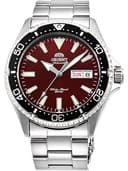
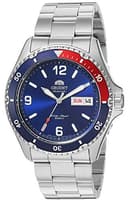
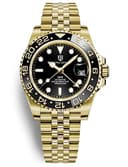
Thirty metres is splash resistance only. Fifty covers showering and shallow swimming. One hundred covers swimming and water sports properly, and that is the floor we used. Two picks here go further: Orient publishes 200m with a screw-down crown for both the Kamasu and the Mako II, which is the same class of sealing as a dive watch even before you get to the regulated ISO 6425 diver’s marking.
The habit that ruins more watches than swimming does is operating the crown with wet hands, or leaving a screw-down crown unscrewed. Our water resistance guide covers what each marking actually permits, and wearing an automatic every day covers the shower, the gym and sleeping in it.
2. A caliber with a published sheet
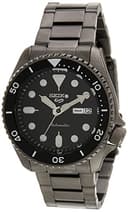
Four of the six picks run a movement whose maker publishes real numbers. Seiko states +45 to -35 seconds a day and approximately 41 hours of reserve for the 4R family. Orient states approximately 40 hours for the in-house F6922 in both divers, with hacking and hand-winding. That matters for two ordinary reasons: you can tell whether your watch is running correctly instead of guessing, and a watchmaker can source parts in five years. Our movements guide explains what the caliber name on a spec sheet does and does not tell you.
3. Size, measured properly
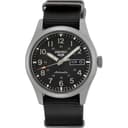
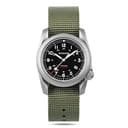
The published diameters here run from 39.4mm to 42.5mm, which sounds like a narrow band and is not. Seiko publishes 46.0mm lug-to-lug for the 42.5mm SRPD65 and 48.1mm for the much smaller 39.4mm field case — the smaller watch has the longer lug span. Diameter is the number listings print; lug-to-lug is the number that decides whether a watch sits on the flat of your wrist. The watch size guide covers measuring your own.
The things nobody tells you about wearing one watch
It will need winding some mornings. An automatic with roughly 40 hours of reserve that comes off on Friday evening is stopped by Sunday lunchtime. That is not a fault. Either wind it and reset it, or keep it running — and if you own exactly one automatic, a winder is almost certainly not the answer. Our winder guide is blunt about who actually benefits.
It will run fast or slow, and that is specified behaviour. A new automatic gaining fifteen seconds a day is comfortably inside Seiko’s own published window. Seiko notes explicitly that the real daily rate depends on how long the watch is worn, the temperature, arm movement and how fully the mainspring is wound. If yours suddenly starts gaining minutes rather than seconds, that is usually magnetism from a laptop, a phone case or a handbag clasp — demagnetizing is a five-minute fix, not a service.
The bracelet matters more than the movement. Every pick here comes on a bracelet or strap you can change, and a 20mm or 22mm lug width means the whole aftermarket is open to you. Swapping to a nylon strap for summer costs less than dinner and changes the watch more than any specification on this page will. Resizing a bracelet at home is a ten-minute job with the right pin tool.
It will eventually need a service. Budget for it or accept the alternative. On a sub-$200 watch the sensible route is usually movement replacement rather than overhaul; on a Seiko or an Orient, the manufacturer service network is real. Our service cost guide has the numbers and the point at which servicing stops making sense.