The four things that decide a titanium automatic
1. Which grade, and whether anyone says so
“Titanium” on a watch listing covers two quite different materials. Commercially pure titanium— Grades 1 to 4, of which Grade 2 is the usual choice for watch cases — is 99.2% titanium or better, with a published ultimate tensile strength of about 434 MPa. That is comparable to a common low-grade steel at a little over half the weight, and it is soft. Grade 5, the Ti-6Al-4V alloy, is harder and stronger and is what the better-finished titanium watches use.
Exactly one pick on this page tells you which it is: the Watchdives WD007T states a Grade 2 titanium case. That is not the stronger grade — and stating it anyway is exactly why it earns the “best documented” slot. The other five say “titanium” and stop. If you are buying titanium specifically because you want a case that holds up, the absence of a grade statement is information: assume commercially pure unless a maker says otherwise.
2. Case and bracelet, or just the case
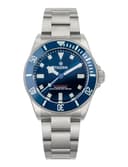
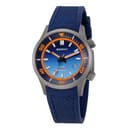
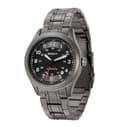
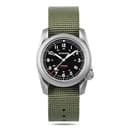
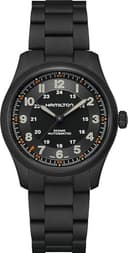
This is the trap that quietly undoes the whole weight argument. A titanium case on a steel bracelet gives back most of the saving, because on a bracelet watch the band is usually the heavier half. The BERNY full titanium field states titanium for case and bracelet, which is the configuration that actually delivers the number in the intro. The Hamilton states a titanium strap. The BERNY diver ships on silicone, which is light for a different reason — the titanium stops at the case, but a rubber strap weighs almost nothing either.
If a listing is vague about the bracelet material, treat it as steel. Nobody who built a full-titanium bracelet forgets to mention it.
3. The crystal matters more here, not less
Five of the six picks on this page state a sapphirecrystal — two of them anti-reflective coated, one of them domed. That is a higher hit rate than most of our roundups and it is not a coincidence: titanium is a premium-material pitch, so makers tend to match it with the premium crystal.
It also matters more on a titanium watch than on a steel one, for a reason that sounds backwards. The case is the part that will scratch. If the crystal hazes too, the whole watch looks tired at once rather than acquiring a used case and keeping a clear face. For the hardness figures behind that argument, see our sapphire vs mineral crystal comparison.
4. What the movement is, and whether it hacks
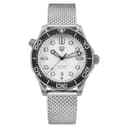
Four of these six name a caliber: a Miyota 8215 on both BERNYs, a PT5000 on the Tactical Frog and an SL3001on the Watchdives. The Boderry says “automatic”. The Hamilton — the most expensive watch here by a factor of six — says “3-hand movement” on its Amazon listing and names nothing at all.
The practical consequence of the Miyota 8215 is worth stating plainly, because it is the one specification difference on this page a buyer will notice daily: the 8215 does not hack. Pull the crown to set the time and the seconds hand keeps running, so you cannot sync the watch to the second. It also runs the date through a half-day quickset quirk that catches first-time owners. Neither is a fault; both are the caliber behind two of the cheapest picks here doing exactly what Miyota built it to do. If setting a watch to the second matters to you, read what hacking actually means and buy the Tactical Frog or the Hamilton instead.
What titanium is not
Two claims attach themselves to titanium watches and neither is supported by anything these makers publish.
It is not tougher.Titanium’s advantage is strength relative to weight, not absolute hardness, and on a watch case the property you feel is hardness. A 316L steel diver will look newer after two years of the same life. What titanium resists extremely well is corrosion — the oxide layer on the surface “gives titanium excellent resistance to corrosion”, which is a genuine advantage in salt water and sweat.
It is not more water-resistant. Water resistance comes from gaskets, a screw-down crown and a screw-in case back, not from the case metal. The BERNY diver is the pick here that states all three alongside its 20ATM figure, which is why it gets the budget slot over cheaper titanium divers that publish a depth number and nothing about how they achieve it. Our water-resistance guide explains what each rating does and does not allow.
Who should skip titanium
If you want one watch that still looks new in five years, buy steel. If you want a polished, light-catching case, buy steel — polished titanium exists but none of these have it, and it marks even faster. If your budget is under $150, buy a better steel watch rather than the cheapest titanium one: the material is the most expensive thing on a $120 titanium listing, and it comes out of the crystal, the movement and the finishing.
Titanium is worth the trade when weight is the thing stopping you wearing a watch — a 42mm diver you want on your wrist all day, a watch you wear while working with your hands, or a steel bracelet that irritates your skin. In those three cases it is not a luxury upgrade, it is the fix.
If weight is your issue mainly because of case size, the cheaper answer is a smaller watch: see the best 38mm automatics and automatics for small wrists, both of which cost less than the titanium route and solve the same complaint from the other direction.