Dial & Lume

Sea-Gull 1963 Review: The Column-Wheel Chronograph, Honestly Assessed

A hand-wound column-wheel chronograph from the factory that developed China's first aviation chronograph in 1963 - and one of the least documented watches we have written about. Here is what is actually known, and the four alternatives worth weighing it against.

By Stephen V.Last updated How we pick

The short answer

Buy the Sea-Gull 1963 if you want a mechanical chronograph with a real story and a column-wheel movement, bought from the company that makes the movement rather than from a brand that buys it in. It is the cheapest honest route to a complication that normally costs four figures. Two things should stop you: it is hand-wound, so it needs the crown every morning and a watch winder will never help it, and Sea-Gull publishes almost nothingin English — no case size, no water resistance, no power reserve, no rate tolerance. If the movement is what you want and the badge is not, the TOPHILL 1963 fits the same caliber behind a sapphire crystal in a stated 40mm case for less money, and that is the comparison this review keeps coming back to.

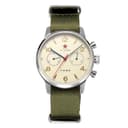
The Sea-Gull 1963 is the watch that broke the rule that a mechanical chronograph has to be expensive. It is a hand-wound, column-wheel chronograph — the architecture used in the complication’s most admired examples — made by Tianjin Sea-Gull, which is not a brand buying a movement from somewhere else but the company that designs and builds the ST1901 itself.

The history is real and worth knowing, because most of what gets written about this watch online is not. Sea-Gull’s own account, recorded in the company’s public history, is that the Tianjin Watch Factory was formed in January 1955 by order of the Chinese government with four craftsmen, and that in 1963 it developed the D304, an aviation chronograph for military use that the company describes as China’s first. The watch sold today under the 1963 name is that design, reissued. It is not an homage to somebody else’s watch, which is unusual in this price bracket and is the single most interesting thing about it — our homage watch roundup excluded it on exactly that ground.

What follows is an assessment, not a test. We have not handled this watch. Everything below is either published by the maker, stated in the listing we link, or clearly labeled as our reasoning — and the specifications Sea-Gull does not publish are left blank rather than filled in, because a blank is information too. Prices come from a live daily check.

How this is funded: we earn a commission if you buy through our links, at no extra cost to you. As an Amazon Associate we earn from qualifying purchases. It never changes which watch or winder we recommend, and we’ll tell you plainly when to skip one. Full disclosure.

Quick picks

Ranked on movement, specs and buyer fit. Select a row to jump to the full write-up. We have not tested these — here is exactly what we do instead.

#ProductBest forPriceMovementCase sizeCrystal
1
Sea-Gull 1963 Chronograph ST1901

Sea-Gull 1963 Chronograph ST1901

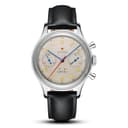
The reference affordable mechanical chronograph. Sea-Gull's ST1901 is a column-wheel movement descended from the 1960s Chinese air force chronograph, and this is the maker's own version of the watch it was built for. It is hand-wound, not automatic — that is the format, not a shortcoming.

The watch reviewed
$279.00 · View on Amazon

Price as of October 6, 2026. #ad How we’re funded

Sea-Gull ST1901 hand-wound chronographNot publishedNot published
2
TOPHILL 1963 ST1901 Chronograph 40mm

TOPHILL 1963 ST1901 Chronograph 40mm

The same ST1901 movement as the Sea-Gull, in a 40mm case with a sapphire crystal, for meaningfully less money. If the movement is what you are buying, this is the cheapest respectable way to get it.

Best value alternative
$209.99 · View on Amazon

Price as of October 6, 2026. #ad How we’re funded

Sea-Gull ST1901 hand-wound chronograph40 mmSapphire
3
Sugess Gooseneck Panda Chronograph ST1901

Sugess Gooseneck Panda Chronograph ST1901

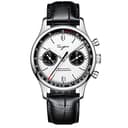
The best-looking of the ST1901 watches, and the one with the movement decoration you can actually see. A swan-neck regulator and a panda dial is a lot of watch for the money, provided you accept hand-winding.

Best looking alternative
$269.00 · View on Amazon

Price as of October 6, 2026. #ad How we’re funded

Sea-Gull ST1901 hand-wound chronographNot publishedSapphire
4
Sugess Chrono Heritage S387.01.Z

Sugess Chrono Heritage S387.01.Z

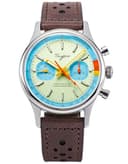
The racing-chronograph interpretation of the same movement — perforated leather, a tachymeter-styled dial and a warmer, more vintage register layout than the pilot versions.

Best alternative style
$229.99 · View on Amazon

Price as of October 6, 2026. #ad How we’re funded

Sea-Gull ST1901 hand-wound chronographNot publishedNot published
5
Bulova Sutton Chronograph Automatic 97A162

Bulova Sutton Chronograph Automatic 97A162

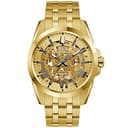
The genuinely self-winding chronograph on this page, and close to the only one at a sane price. A rotor means it runs from wearing rather than from a daily ritual — which for a chronograph is worth real money.

Best self-winding alternative
$460.95 · View on Amazon

$795.0042% off

Price as of October 6, 2026. #ad How we’re funded

Automatic chronograph43 mmNot published

Specs read from each maker’s published data and retail listing on August 11, 2026. Prices checked live — as of October 6, 2026. “Not published” means the maker does not state that figure; we don’t fill the gap with a guess.

The picks in full

#1The watch reviewed

Sea-Gull 1963 Chronograph ST1901

The reference affordable mechanical chronograph. Sea-Gull's ST1901 is a column-wheel movement descended from the 1960s Chinese air force chronograph, and this is the maker's own version of the watch it was built for. It is hand-wound, not automatic — that is the format, not a shortcoming.

Strengths

  • Column-wheel ST1901 from Sea-Gull itself rather than a rebadge
  • The design the caliber was actually made for
  • Acrylic-era looks in a size that still wears well today

Trade-offs

  • Hand-wound only — no rotor, so it stops in about two days off the wrist
  • Sea-Gull publishes little English-language specification
MovementSea-Gull ST1901 hand-wound chronograph
Stated accuracyNot published
Power reserveNot published
Case sizeNot published
Water resistanceNot published
CrystalNot published
Hacks / hand-windsNot published / Yes

Why this one. The ST1901 is a manual-wind column-wheel chronograph. A winder does nothing for it — that is the single most useful thing to know before buying one.

Specs read from the product listing and the maker’s published data, on August 11, 2026. “Not published” means the maker does not state that figure.

#2Best value alternative

TOPHILL 1963 ST1901 Chronograph 40mm

The same ST1901 movement as the Sea-Gull, in a 40mm case with a sapphire crystal, for meaningfully less money. If the movement is what you are buying, this is the cheapest respectable way to get it.

Strengths

  • Sapphire crystal at a price where mineral glass is normal
  • 40mm is an easier size than some 1963 reissues
  • Same column-wheel caliber as the far pricier versions

Trade-offs

  • Hand-wound only, like every ST1901 watch
  • Micro-brand with no service network behind it
MovementSea-Gull ST1901 hand-wound chronograph
Stated accuracyNot published
Power reserveNot published
Case size40 mm
Water resistanceNot published
CrystalSapphire
Hacks / hand-windsNot published / Yes

Why this one. Several brands fit the same bought-in ST1901. What differs between them is the case, the crystal and the finishing — not the timekeeping.

Specs read from the product listing and the maker’s published data, on August 11, 2026. “Not published” means the maker does not state that figure.

#3Best looking alternative

Sugess Gooseneck Panda Chronograph ST1901

The best-looking of the ST1901 watches, and the one with the movement decoration you can actually see. A swan-neck regulator and a panda dial is a lot of watch for the money, provided you accept hand-winding.

Strengths

  • Swan-neck regulator on a visible, decorated ST1901
  • Panda dial layout done properly, with legible registers
  • Sapphire crystal and a stated water-resistance rating

Trade-offs

  • Hand-wound only
  • Sugess is a listing-brand — support is whatever the seller offers
MovementSea-Gull ST1901 hand-wound chronograph
Stated accuracyNot published
Power reserveNot published
Case sizeNot published
Water resistanceNot published
CrystalSapphire
Hacks / hand-windsNot published / Yes

Why this one. A swan-neck regulator is a fine-adjustment device for the balance. On a watch at this price it is mostly decorative, and it is honest to say so.

Specs read from the product listing and the maker’s published data, on August 11, 2026. “Not published” means the maker does not state that figure.

#4Best alternative style

Sugess Chrono Heritage S387.01.Z

The racing-chronograph interpretation of the same movement — perforated leather, a tachymeter-styled dial and a warmer, more vintage register layout than the pilot versions.

Strengths

  • Racing-chronograph styling instead of another 1963 reissue
  • Perforated rally strap included rather than sold separately
  • Same proven column-wheel caliber underneath

Trade-offs

  • Hand-wound only
  • Model naming across Sugess listings is confusing to shop
MovementSea-Gull ST1901 hand-wound chronograph
Stated accuracyNot published
Power reserveNot published
Case sizeNot published
Water resistanceNot published
CrystalNot published
Hacks / hand-windsNot published / Yes

Why this one. Sugess sells several near-identical references under different codes. Match the photograph, not the model number, when you order.

Specs read from the product listing and the maker’s published data, on August 11, 2026. “Not published” means the maker does not state that figure.

#5Best self-winding alternative

Bulova Sutton Chronograph Automatic 97A162

The genuinely self-winding chronograph on this page, and close to the only one at a sane price. A rotor means it runs from wearing rather than from a daily ritual — which for a chronograph is worth real money.

Strengths

  • Actually automatic — a rotor, not a hand-wound caliber
  • Established brand with US service and a warranty
  • Exhibition caseback on a chronograph movement

Trade-offs

  • 43mm and gold-toned — a lot of watch, and not a subtle one
  • Costs more than the hand-wound alternatives that look more classical
MovementAutomatic chronograph
Stated accuracyNot published
Power reserveNot published
Case size43 mm
Water resistanceNot published
CrystalNot published
Hacks / hand-windsNot published / Not published

Why this one. Automatic chronograph movements are expensive to build, which is why the affordable mechanical chronograph market is almost entirely hand-wound. This is the exception, and it is priced like one.

Specs read from the product listing and the maker’s published data, on August 11, 2026. “Not published” means the maker does not state that figure.

What the ST1901 actually is

A hand-wound mechanical chronograph caliber built by Sea-Gull, operated by two pushers either side of the crown: the top one starts and stops the elapsed-time hand, the lower one resets it. That is the standard chronograph layout — a stopwatch sharing a movement with a normal watch — and on this caliber the switching is done by a column wheel: a toothed vertical wheel that rotates a step with each press and steers the levers underneath.

Why that matters is worth stating plainly, because it is routinely oversold. A column wheel does not make a chronograph more accurate. The alternative mechanism, a cam, does the same job for less money. What the column wheel changes is the feelof the pushers — a crisper, more defined action — and the fact that it is the construction used by the chronographs this one is standing next to in spirit. You are buying a mechanism normally found several price brackets up. You are not buying a better stopwatch.

The caliber is hand-wound, and that is the format rather than a shortcoming. There is no rotor. The practical consequences are covered in full in our mechanical vs automatic comparison, but the short version is three lines: you wind it each morning at the crown; it stops when the mainspring runs down; and a watch winder will do nothing for it at all, because a winder works by giving a rotor something to react to and this movement has none.

What Sea-Gull does not publish, and why it matters

Look at the spec table above and you will see something we do not often print this many times on one page: Not published. For the Sea-Gull reference we link, there is no published case diameter, no water resistance rating, no crystal material, no power reserve figure and no rate tolerance. Every one of those rows is blank because the maker does not state it in English, and this site does not move a number from one document into a field it was not written for.

That is a genuine mark against the watch, and it is the reason this review exists in the shape it does. Three of those blanks have practical cost:

  • No water-resistance rating means you should treat it as a watch to keep dry. Chronograph pushers are a known weak point for water ingress even on watches that are rated, and an unrated case plus two extra holes in it is not a combination to test in the shower. Our water resistance guide explains what the ratings mean when a maker does publish one.
  • No power reserve figure means you cannot plan around it. In practice a hand-wound watch gets wound daily regardless, so this costs you less than it looks like it should.
  • No published case sizeis the one that can actually ruin the purchase, because a chronograph’s sub-dials make a case read larger than its diameter. If you have a smaller wrist, the alternative below that publishes 40mm is the safer buy, and our watch size guide explains why lug-to-lug matters more than diameter anyway.

None of this means the watch is poorly made. It means the company is not writing specifications for a Western audience the way Seiko, Orient and Citizen do, and you are buying with less information than those makers give you. That is a trade, and you should make it knowingly.

Who should buy it

The Sea-Gull 1963 suits a specific buyer, and it is not the first-time mechanical buyer. It is for someone who already owns an automatic or two, who wants a complication rather than another three-hander, and who likes the idea of a watch with a documented origin that is nobody’s copy. The daily winding will read as a feature to that person rather than as a tax.

It is also, specifically, for someone who wants to buy the ST1901 from Sea-Gull itself. Several brands fit this exact caliber — three of them are on this page — and what differs between them is the case, the crystal and the finishing, not the timekeeping. If the provenance matters to you, the Sea-Gull-branded version is the only one that has it.

Do not buy it if this is the only mechanical watch you will own. A first mechanical watch should survive a weekend away without needing a ritual, should have a published water-resistance rating, and should ideally run a caliber any local watchmaker will touch. That is a Seiko 5 or an Orient Bambino, and our entry-level automatics roundup is the honest page for that buyer.

The four alternatives, and when each one wins

TOPHILL 1963 — the same movement, better specified

The hardest argument against the Sea-Gull, and we are not going to soften it. The TOPHILL runs the same Sea-Gull ST1901, publishes a 40mm case diameter and fits a sapphire crystal, which is harder than the mineral glass usual at this money — and it costs less. If what you want is the caliber rather than the badge, this is the rational purchase. What you give up is the provenance and any service relationship: TOPHILL is a micro-brand with no network behind it.

Sugess Gooseneck Panda — the one that looks the best

A panda dial with legible registers, a sapphire crystal, and a swan-neck regulatoron a decorated movement you can see through the back. Worth being straight about that regulator: it is a fine-adjustment device for the balance, and at this price it is mostly decorative rather than a precision feature. It is still the prettiest watch on this page, and the hand-wound format is what makes the view possible — a rotor would cover half of it.

Sugess Chrono Heritage — the racing interpretation

Same caliber, different century of styling: a tachymeter-styled dial, warmer register layout and a perforated rally strap in the box rather than sold separately. Pick it if you want a vintage racing chronograph rather than an aviation one. One warning taken straight from the listings: Sugess sells several near-identical references under different model codes, so match the photograph rather than the model number when you order.

Bulova Sutton Chronograph — the one that winds itself

The alternative for anyone who read the winding section and decided against it. The Sutton is a genuine automaticchronograph with an exhibition caseback, from an established brand with US service and a warranty — and it costs substantially more than any of the hand-wound watches here, which is precisely the point we make in the comparison above. It is also 43mm and gold-toned, which is a lot of watch and not a subtle one. Self-winding chronographs are expensive to build; this is the cheapest honest way onto that side of the line.

Living with a hand-wound chronograph

Three habits make the difference between enjoying one of these and quietly retiring it to a drawer.

Wind it at the same time every day, before you put it on, turning the crown forward until you feel firm resistance — then stop. Winding on-wrist puts side load on the crown stem, which is the part you least want to wear out. The full method is in our guide to winding a mechanical watch.

Do not leave the chronograph running when you are not timing anything. The elapsed-seconds hand runs off the same mainspring as the watch, so a chronograph left engaged all day eats reserve for no reason. It is not harmful; it is just wasteful, and on a watch with no published reserve figure you have less margin to waste.

Store it where it stays dry and still.With no stated water resistance, this is a watch to take off before the shower. A box is the right home for it rather than a winder — the winder would be doing nothing — and our watch box roundup and storage guide cover the sensible options.

The verdict in one line

The Sea-Gull 1963 is the most interesting watch on this site under $300 and one of the least documented, and both halves of that sentence are true at the same time. Buy it for the column wheel, the daily ritual and a design its own maker invented. Buy the TOPHILL instead if you want the same caliber with a published case size and a sapphire crystal for less. Buy the Bulova if you want the complication without the ritual — and expect to pay for the privilege.
Frequently asked questions

Is the Sea-Gull 1963 automatic?

No. It is hand-wound: the ST1901 has no rotor, so you wind it at the crown, typically once a day. That also means a watch winder is useless with it - a winder works by moving the watch so a rotor winds the mainspring, and this movement does not have one.

Is the Sea-Gull 1963 a good watch?

For the right buyer, yes: it is a column-wheel mechanical chronograph bought from the company that builds the movement, based on a design that company developed in 1963. The honest caveats are that it is hand-wound and that Sea-Gull publishes no case size, water resistance, power reserve or rate tolerance in English for the reference we link.

What movement is in the Sea-Gull 1963?

The Sea-Gull ST1901, a hand-wound column-wheel chronograph caliber that Sea-Gull designs and builds itself. Several other brands - including the TOPHILL and both Sugess chronographs on this page - fit the same bought-in caliber. What differs between them is the case, the crystal and the finishing, not the timekeeping.

Is the Sea-Gull 1963 water resistant?

No rating is published for the reference we link, so treat it as a watch to keep dry. Chronograph pushers are a known weak point for water ingress even on watches that do carry a rating, and an unrated case with two extra openings in it is not one to test.

Sea-Gull 1963 or TOPHILL 1963 - which should I buy?

Buy the Sea-Gull if the provenance matters: it is the maker of the movement reissuing its own 1963 design. Buy the TOPHILL if the movement is what you want - it runs the same ST1901, publishes a 40mm case diameter, fits a sapphire crystal rather than mineral glass, and costs less.

Is the Sea-Gull 1963 a homage watch?

No, and that is unusual at this price. An homage copies another company's design. Sea-Gull is reissuing a watch its own factory developed - the D304 aviation chronograph of 1963, which the company describes as China's first. Copying yourself is a reissue, not an homage.

How often do you have to wind a Sea-Gull 1963?

Once a day, at roughly the same time, winding forward until you feel firm resistance and then stopping. Sea-Gull does not publish a power reserve figure for this caliber, so there is no stated number of hours to plan against - which in practice matters little, because a hand-wound watch gets wound daily regardless.

Sources

  • Tianjin Sea-Gull — Wikipedia — The company behind the ST1901: formed as the Tianjin Watch Factory in January 1955 by order of the Chinese government with four craftsmen; in 1963 it developed the D304 aviation chronograph for military use, which the company describes as China's first aviation chronograph; it dropped mechanical production for quartz in 1992 and reversed that decision five years later (accessed October 5, 2026)
  • Chronograph — Wikipedia — What a chronograph is: a stopwatch combined with a normal watch, with a center seconds hand plus minute (and often hour) sub-dials, started, stopped and reset by pushers next to the crown (accessed August 11, 2026)
  • Mechanical watch — Wikipedia — Reference walk-through of the power flow in a mechanical/automatic watch: rotor → mainspring → gear train → escapement → balance wheel (accessed July 21, 2026)
  • Water Resistant mark — Wikipedia — What the depth markings actually mean: 30m is splash resistance only, 50m covers showering and shallow swimming, 100m covers swimming and water sports, and only an ISO 6425 'DIVER'S' mark is rated for scuba (accessed August 11, 2026)

Keep reading