Compare
Head-to-head comparisons for the decisions people actually get stuck on — Seiko against Orient against Citizen, one model against another, and whether your money belongs in a winder or a box.
Most watch buying does not stall at “what should I get?”. It stalls at the last step, with two tabs open and no way to break the tie — a Seiko against an Orient, a winder against a box, one model against the model everyone says is basically the same. Roundups rank a field. These pages settle a specific argument.
Every comparison here is built the same way: the two or three options in a side-by-side table with live prices, then the honest reasoning — what each one genuinely does better, where the specifications are misleading, and the single question that decides it for most people. We tell you when the answer is “buy the cheaper one”, and we tell you when the answer is “neither, buy this instead”.
We have not handled any of these watches. Every specification comes from the maker’s published data or the retail listing, dated on the page it appears on; where a maker publishes nothing, the spec table says “Not published” rather than filling the gap with a plausible number. Prices are never stored — they come from a live daily check, so a comparison cannot quietly go stale. Our methodology page sets out exactly what we do and don’t claim.
Not every comparison here is watch against watch. If you are weighing a mechanical watch against the thing on most wrists, automatic watch vs smartwatch is an honest comparison rather than a sermon. And if you have already settled that question, the automatic watches hub is where the buying pages live.
Everything in Compare
Seiko vs Orient vs Citizen: Which Should You Buy?
The three Japanese brands that own the affordable automatic market, compared on movements, finishing and value.
Our top pick
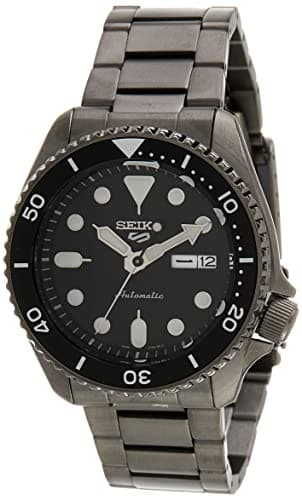
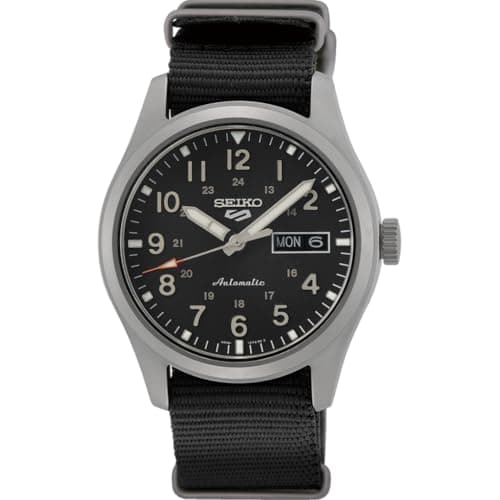
Seiko 5 Sports SRPD65
Seiko 5 vs Orient Bambino
The two default first automatics, head to head — and the one question that decides it for almost everybody.
Our top pick
Seiko 5 Sports SRPD65
Watch Winder vs Watch Box: Which Do You Need?
Most people buy the winder and needed the box. Here is how to tell which side of that line you are on.
Our top pick
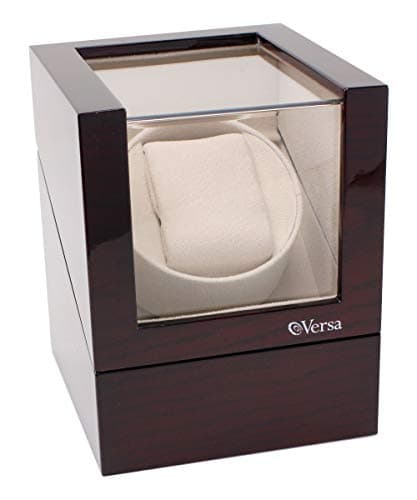
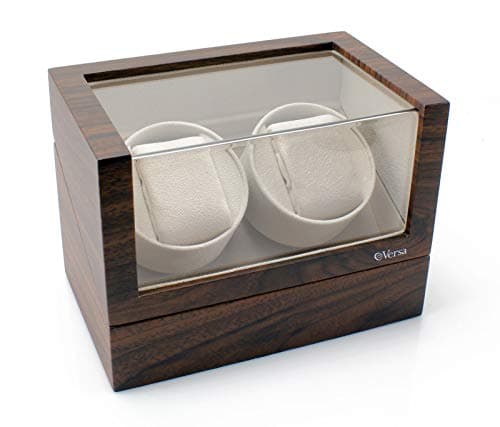
Versa Single Watch Winder Elite
$89.99 · View on AmazonPrice as of October 20, 2026. #ad How we’re funded
Seiko Turtle vs Orient Kamasu
The two default sub-$500 dive automatics, head to head — one has the certification, the other has the sapphire crystal.
Our top pick
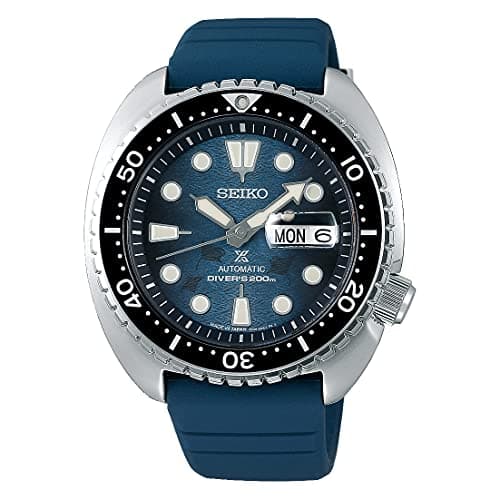
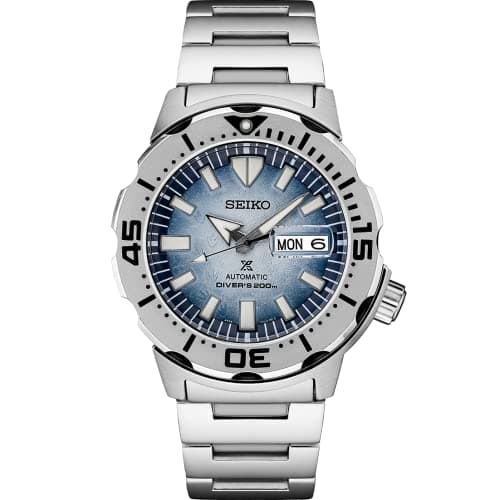
Seiko Prospex Turtle SRPF77
$625.00 · View on AmazonPrice as of October 20, 2026. #ad How we’re funded
NH35 vs Miyota 9015: Which Movement Is Better?
The two calibers almost every micro-brand automatic uses, compared on the specifications their makers actually publish.
Our top pick
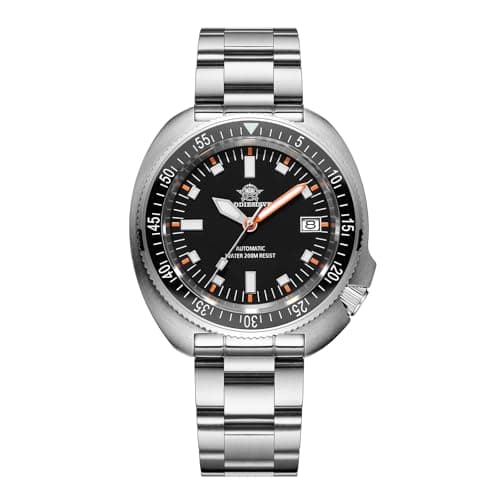
ADDIESDIVE NH35 Diver 200m
$162.99 · View on AmazonPrice as of October 20, 2026. #ad How we’re funded
WOLF vs Versa Watch Winders
A six-times price gap between two winders that do the same job. Here is exactly what the difference buys, and when it is worth paying.
Our top pick
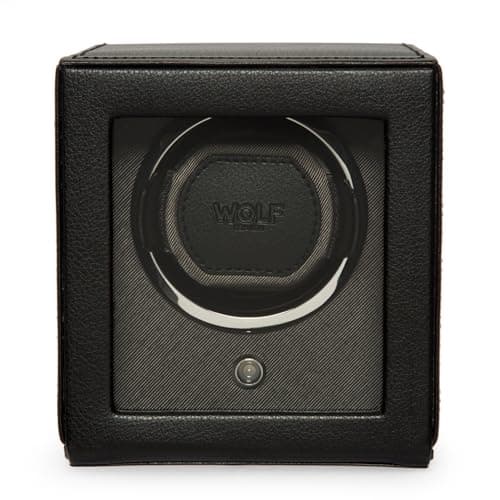
WOLF Cub Single Winder with Glass Cover
$399.00 · View on AmazonPrice as of October 20, 2026. #ad How we’re funded
Automatic Watch vs Smartwatch
One runs for decades with no battery; the other is obsolete in four years. An honest comparison rather than a sermon.
Our top pick
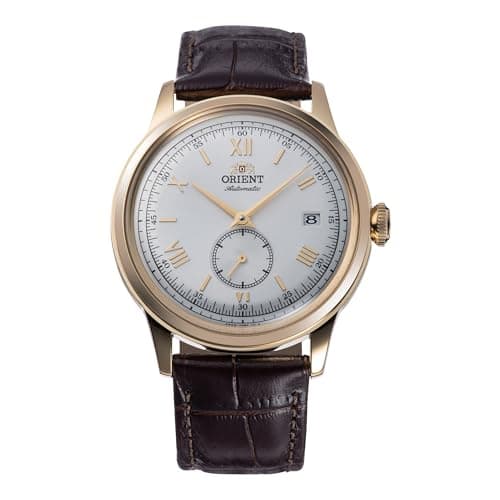
Orient Bambino (Version 7, Small Seconds)
$280.00 · View on AmazonPrice as of October 20, 2026. #ad How we’re funded
Sapphire vs Mineral vs Acrylic Watch Crystals
Which crystal scratches, which shatters, which polishes out - and why the $140 watch has sapphire and the $400 one does not.
Our top pick
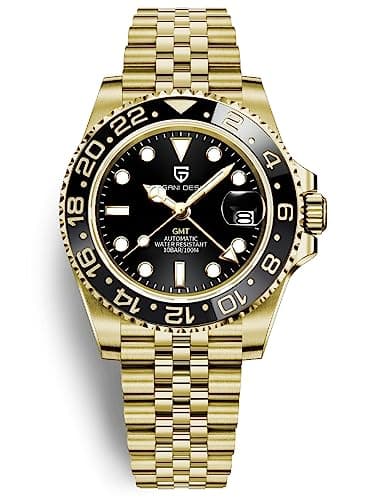
Pagani Design GMT Automatic 40mm
$169.99 · View on AmazonPrice as of October 20, 2026. #ad How we’re funded
Seiko 5 vs Seiko Presage
Same company, same movement family, two very different watches. Which of Seiko's two entry lines you should actually buy.
Our top pick
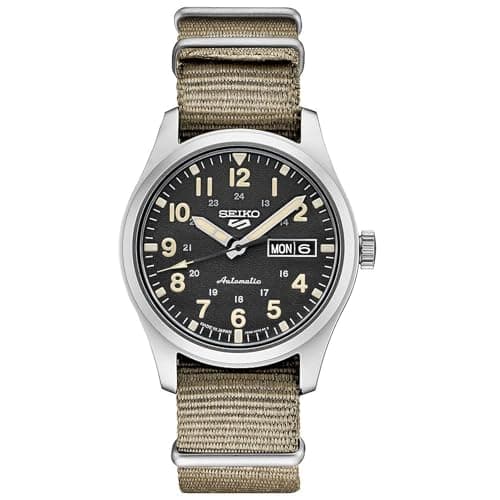
Seiko 5 Sports Field SRPG35
$252.00 · View on AmazonPrice as of October 20, 2026. #ad How we’re funded
Single vs Double Watch Winder
Two positions cost less than two winders - but only if you will ever fill the second one. How to tell before you spend.
Our top pick
Versa Double Watch Winder Elite
$129.99 · View on AmazonPrice as of October 20, 2026. #ad How we’re funded
Seiko 5 vs Invicta Pro Diver
The two watches every first-time automatic buyer cross-shops, and the price gap that makes the answer less obvious than forums claim.
Our top pick
Seiko 5 Sports SRPD65
NH35 vs 4R36: Are They the Same Movement?
Two calibers from the same factory with the same architecture, sold in very different watches. What genuinely separates them.
Our top pick
Seiko 5 Sports Field SRPG35
$252.00 · View on AmazonPrice as of October 20, 2026. #ad How we’re funded
Seiko 5 Sports vs Seiko Prospex: Which Seiko Diver?
Same caliber, same thickness, near-identical diameter - and only one of them is a dive watch. What the extra money actually buys, in Seiko's own numbers.
Our top pick
Seiko Prospex SRPG57
Orient Kamasu vs Orient Mako II
Same in-house caliber, same 200m, same 47mm lug-to-lug. Orient's own sheets leave exactly one difference that matters, and it is not the one the price gap suggests.
Our top pick
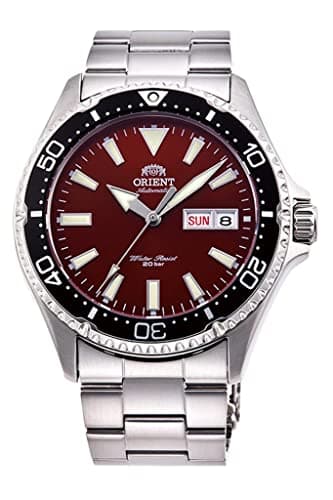
Orient Kamasu Diver (RA-AA0003R)
$285.00 · View on AmazonPrice as of October 20, 2026. #ad How we’re funded
Seiko Presage vs Orient Bambino
The two affordable dress automatics everyone cross-shops, compared on the makers' own figures - where they are identical to the tenth of a millimeter, and where they are not.
Our top pick
Orient Bambino (Version 7, Small Seconds)
$280.00 · View on AmazonPrice as of October 20, 2026. #ad How we’re funded
Seiko 5 Sports vs Citizen Tsuyosa
A Hardlex tool watch against a sapphire integrated-bracelet watch at roughly the same money. What each maker publishes, and which one survives your week.
Our top pick
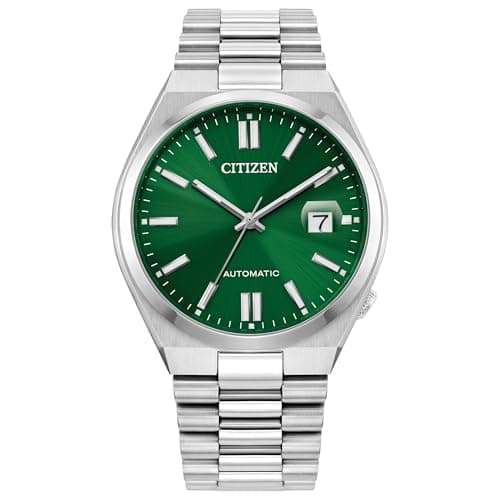
Citizen Tsuyosa (NJ0)
WOLF vs Barrington Watch Winders
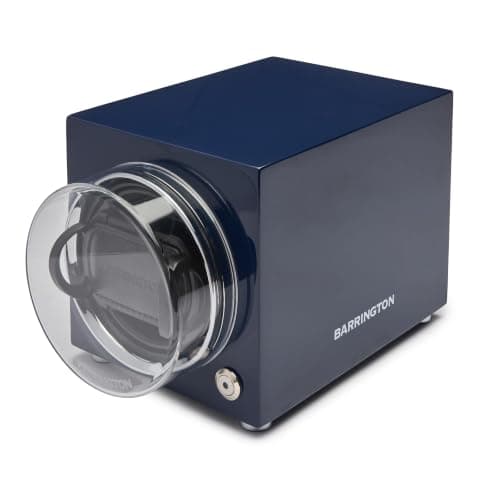
Two premium singles with opposite philosophies - one fixed program and a cuff rated to 52mm against five published TPD steps - and makers who disagree in print about what bi-directional means.
Our top pick
Barrington Single Watch Winder
$475.00 · View on AmazonPrice as of October 20, 2026. #ad How we’re funded
Orient Bambino vs Timex Marlin Automatic
A named in-house caliber and 30m against an unnamed 21-jewel movement and 50m. The better-documented watch is not the more practical one.
Our top pick
Orient Bambino (Version 7, Small Seconds)
$280.00 · View on AmazonPrice as of October 20, 2026. #ad How we’re funded
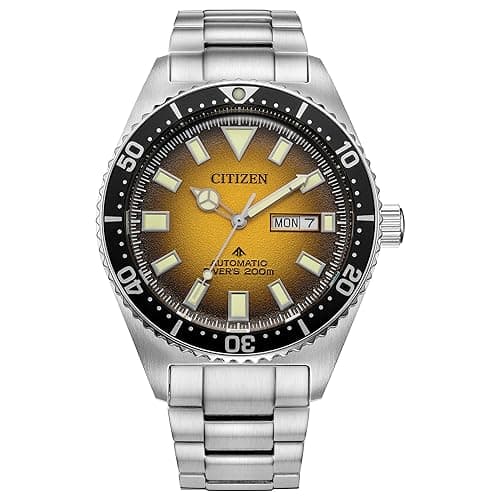
Invicta Pro Diver vs Citizen Promaster
Both rated 200m, but only one maker publishes the caliber, the rate and the reserve. What that disclosure gap is actually worth.
Our top pick
Citizen Promaster Dive Automatic 41mm
Seiko Prospex vs Citizen Promaster
Two Japanese dive lines, both marked 200m - and a documentation gap that runs the opposite way from the price. What each maker actually publishes.
Our top pick
Seiko Prospex SRPG57
Mechanical vs Automatic Watches
Every automatic is mechanical, so the real choice is a rotor or a daily winding ritual. Six picks, three on each side of it.
Our top pick
Seiko 5 Sports Field SRPG37
$252.00 · View on AmazonPrice as of October 20, 2026. #ad How we’re funded
Pagani Design vs Seiko
The cheaper watch has the sapphire crystal, the higher water rating and a Seiko-made movement. What the extra money at Seiko buys is everything that is not on the spec sheet.
Our top pick
Seiko 5 Sports Field SRPG37
$252.00 · View on AmazonPrice as of October 20, 2026. #ad How we’re funded
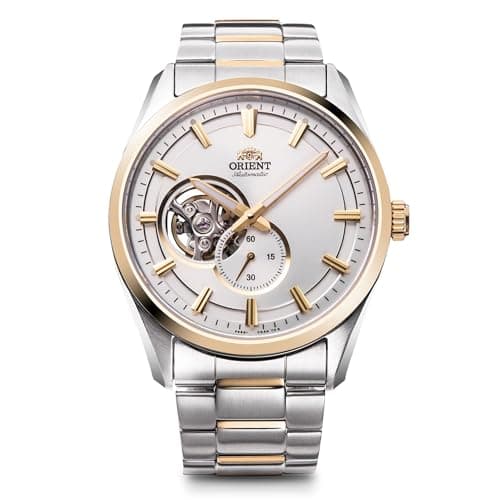
Open Heart vs Skeleton Watches
One cuts a window in the dial, the other removes it - and the watches that show the least of the movement are the only ones whose makers name it.
Our top pick
Orient Contemporary Semi-Skeleton (RN-AR0006S)
$339.00 · View on AmazonPrice as of October 20, 2026. #ad How we’re funded
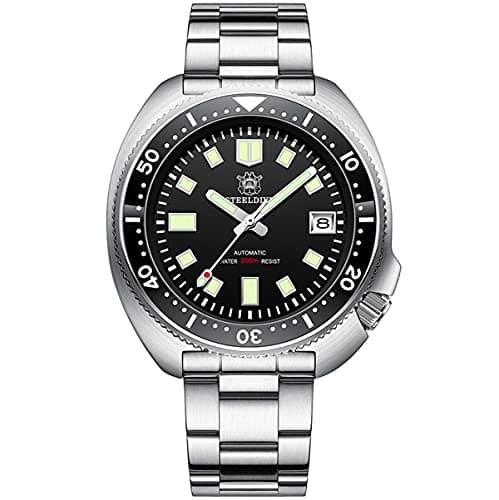
Steeldive vs ADDIESDIVE
Same NH35, same sapphire, same 200m claim - and only one of the two publishes the measurements. Six divers compared on what their makers put in writing.
Our top pick
Steeldive SD1970 200m Diver
$219.90 · View on AmazonPrice as of October 20, 2026. #ad How we’re funded
Orient Kamasu vs Invicta Pro Diver
One names its caliber, publishes its reserve and fits sapphire. The other costs a fraction as much and calls its movement IM-A-005. Five picks, live prices.
Our top pick
Orient Kamasu Diver (RA-AA0003R)
$285.00 · View on AmazonPrice as of October 20, 2026. #ad How we’re funded
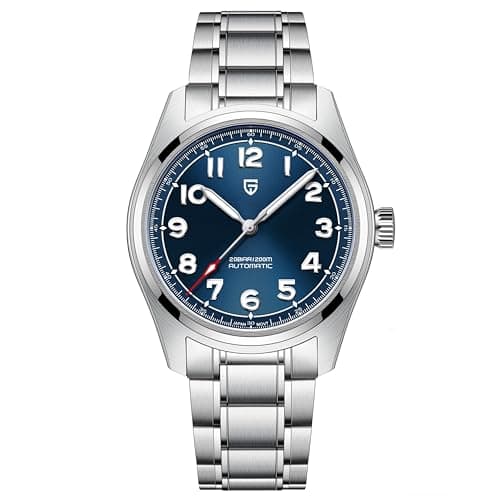
Pagani Design vs Invicta
Two brands at the same price spending it in opposite places - Pagani puts it in the crystal, Invicta in the case, the depth rating and a warranty you can phone.
Our top pick
Pagani Design NH35A Pilot 38mm
$149.90 · View on AmazonPrice as of October 20, 2026. #ad How we’re funded
Where to start
If you are choosing your first automatic and you have narrowed it to the two watches everybody recommends, go straight to Seiko 5 vs Orient Bambino. They are the two default answers to “what should my first mechanical watch be?”, they cost about the same, and one question decides it — which takes about a minute to answer.
If you are further back than that and still working out which brand to trust, Seiko vs Orient vs Citizen is the page. All three build their own movements, which is genuinely unusual at these prices, and the differences between them are consistent enough to be useful across the whole range rather than model by model.
And if you already own the watch and you are now looking at accessories, read watch winder vs watch box before you spend anything. Most people who buy a winder needed a box, and it is a comparison the winder industry has no interest in making for you.
Two comparisons here answer questions that are really about value rather than models. Pagani Design vs Seiko asks what you are paying for when the cheaper watch has the better crystal and a Seiko-made movement, and open heart vs skeleton is a choice between two dial styles where the better-documented movements turn out to be on the side that shows you less.
How we decide these
Three rules. First, the cheaper option wins ties — if two watches do the same job, the price difference has to buy something we can name. Second, published specifications outrank marketing language: a maker that states its accuracy range, power reserve and water resistance is telling you something a maker that says “precision movement” is not. Third, we say when neither option is right. Several of these pages end with a recommendation that is on a different page entirely, which is what an honest comparison sometimes has to do.