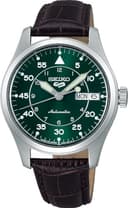
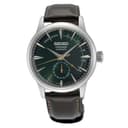
The movements: 4R36 versus 4R35
This is the least important difference, which surprises people who expect the dressier watch to have the better engine.
Seiko publishes the specification for both in the same document: automatic with hand winding, 24 jewels, 21,600 vibrations per hour, roughly 41 hours of power reserve, and an accuracy specification of about −35 to +45 seconds a day worn on the wrist. Both hack. Both hand-wind.
The difference is the calendar. The 4R36 drives a day wheel as well as a date wheel; the 4R35 drives date only. That is the whole distinction, and if you prefer a cleaner dial the 4R35 is arguably the nicer of the two. Anyone telling you the Presage has a “better movement” is describing decoration rather than mechanics — the higher Presage references do get more finishing, but the core caliber is the same family. Our movements guide covers what these figures mean.
Where the two lines genuinely diverge
Water resistance: 100m against 50m
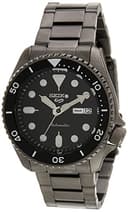
The most practical difference on the page. Seiko 5 Sports models are typically rated 100 meters, which covers swimming and surface water sports. Presage models are typically 50 meters, which covers showering and shallow swimming but is not a watch you should take into the sea repeatedly.
Neither is a dive rating — that requires an ISO 6425 DIVER’S marking, which involves testing every individual watch rather than a production sample. Our water resistance guide explains what the numbers actually permit, and why heat is harder on a watch than depth.
Dial finishing: the whole reason Presage exists
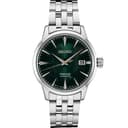
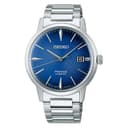
Seiko 5 dials are good, legible and industrial. Presage dials are the point of the watch: lacquered, textured or sunburst finishes that shift character as light moves across them. The Cocktail Time references are the best-known example, and they are the single strongest argument for buying a Presage over anything else at the price.
They also photograph poorly, consistently, which is why the line has the word-of-mouth reputation it does — people buy them on a recommendation, not from a product shot. Our Presage guide maps which reference is which.
Crystal: the same compromise on both
Seiko fits Hardlex mineral glass across both lines at this level. Neither gets sapphire, and this is the most common complaint about Seiko at any price. Ordinary glass sits at 5.5 on the Mohs hardness scale, sapphire at 9, and everyday grit is largely quartz at 7 — so expect fine scratches on either watch over a few years. Our crystal comparison covers what you gain and lose.
Wearability: bracelet against strap, sport against dress
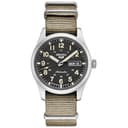
A Seiko 5 wears like a sports watch and looks slightly wrong with a suit. A Presage wears like a dress watch and looks slightly wrong with a wetsuit. This is the actual decision, and it is a question about your life rather than about Seiko.
The one question that decides it
Will this watch get wet? Not “might it get rained on” — both survive that. Will you swim in it, wear it in the sea, or take it somewhere it will be repeatedly soaked?
If yes, buy the Seiko 5. The 100m rating and the tougher case are exactly what the line is for, and a Presage in that role is a slow mistake.
If no — if the watch is for work, dinner, and being looked at — buy the Presage. You get a dial nothing else at the price matches, in exchange for a water resistance figure you were never going to use.
If you genuinely need both, buy the Seiko 5 first. It is cheaper, more versatile and harder to regret, and it leaves the Presage as an upgrade rather than a compromise. Our Seiko 5 guide covers which reference to start with, and Seiko 5 versus Orient Bambino covers the other decision most first-time buyers face.