Watch Winders
Keep your automatics wound and ready — winders compared on the settings that actually matter: turns per day, direction, noise and build. Plus honest advice on whether you need one at all.
A watch winder keeps an automatic watch wound and running while it’s off your wrist, by rotating it gently to spin the same weighted rotor that winds the mainspring when you wear it. That’s genuinely useful for a watch with a fiddly calendar or moonphase you’d rather not reset every week — and genuinely optional for almost everything else. We’ll say plainly which camp you’re in.
When a winder is worth it, only a few things decide whether it’s a good one: turns per day (TPD) and rotation direction (the numbers a movement actually needs), how quiet the motor is if it lives in a bedroom, and build quality. Past a quiet motor and adjustable TPD, you’re mostly paying for materials and a badge — which is why our picks run from a $25 single that does the job to a WOLF you’ll keep for years.
Two pages here answer the questions people ask after the obvious ones. If your collection has outgrown a double, the triple winder roundup covers the three-position boxes and whether each position gets its own program. And if a sub-$100 winder feels like a compromise too far, the under-$200 roundup is the band where per-position control and real multi-watch capacity arrive. Going the other way, winders under $50 covers what happens when the budget is the whole brief, and wooden winders grades the case material claim that sells more of these than any specification does.
Two brand-fit pages sit alongside those. The Seiko guide uses Seiko’s own published winding guidance, and the Citizen guide deals with the brand that publishes no turns-per-day figure at all — and with the Eco-Drive question half of those searches are really asking.
Everything in Watch Winders
Best Single Watch Winders
The best winders for one automatic — from a budget quiet single to a WOLF you'll keep for years.
Our top pick
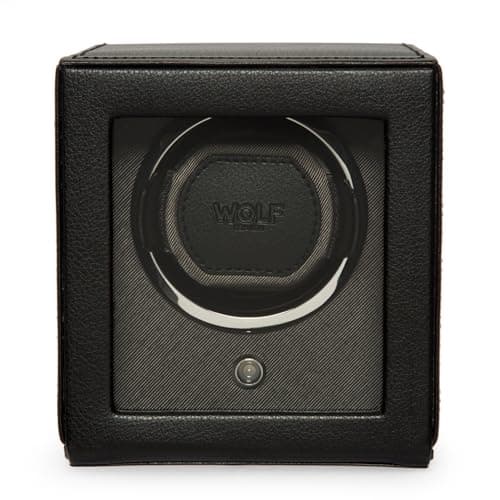
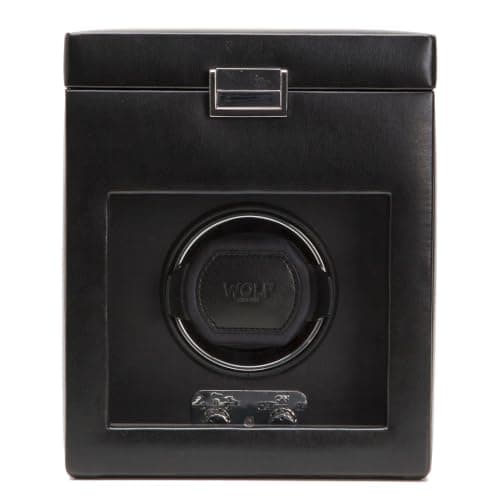
WOLF Cub Single Winder with Glass Cover
$399.00 · View on AmazonPrice as of October 20, 2026. #ad How we’re funded
Best Watch Winders for Rolex (and Omega, TAG, Breitling)
Winders with the turns-per-day and direction control a Rolex or Omega movement actually asks for.
Our top pick
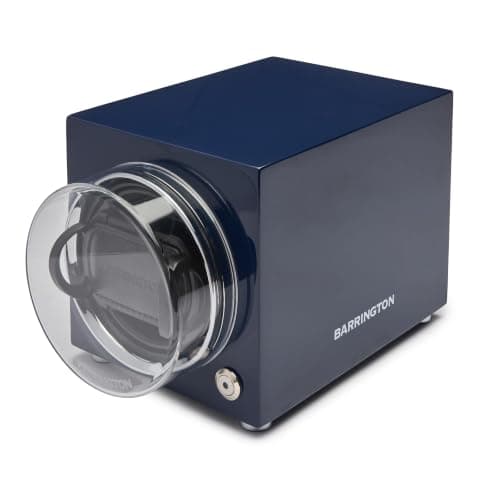
Barrington Single Watch Winder
$475.00 · View on AmazonPrice as of October 20, 2026. #ad How we’re funded
Best Double Watch Winders
Two-watch winders compared on the thing that decides them — whether each position gets its own turns per day and direction.
Our top pick
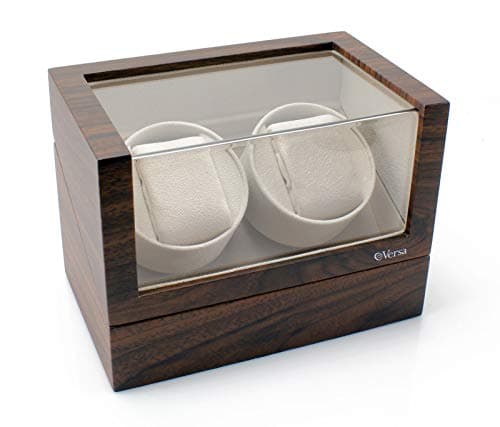
Versa Double Watch Winder Elite
$129.99 · View on AmazonPrice as of October 20, 2026. #ad How we’re funded
Best Multi-Watch Winders (4, 6 and 8 Watches)
Four-, six- and eight-position winders compared — and an honest look at how many watches actually need to be spinning.
Our top pick
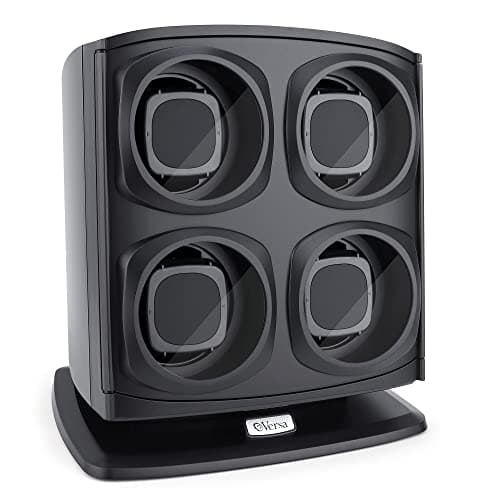
Versa Quad Watch Winder
$149.99 · View on AmazonPrice as of October 20, 2026. #ad How we’re funded
Best Watch Winders With Storage
Winder-plus-storage cabinets for the way collections really work: a few watches in rotation, the rest kept properly.
Our top pick
WOLF Heritage Single Winder with Storage
Best Quiet Watch Winders
The quietest winders for a bedroom or office — where a noisy motor is a dealbreaker.
Our top pick
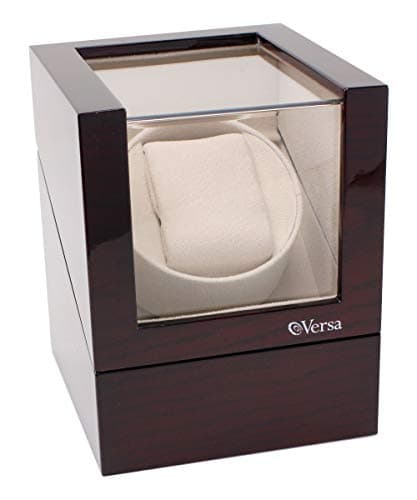
Versa Single Watch Winder Elite
$89.99 · View on AmazonPrice as of October 20, 2026. #ad How we’re funded
Best Triple (3-Watch) Watch Winders
Three-position winders compared on the thing that separates them — whether the positions share one program or each gets its own.
Our top pick
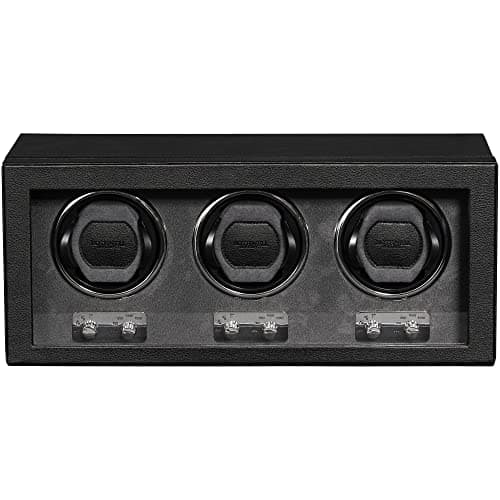
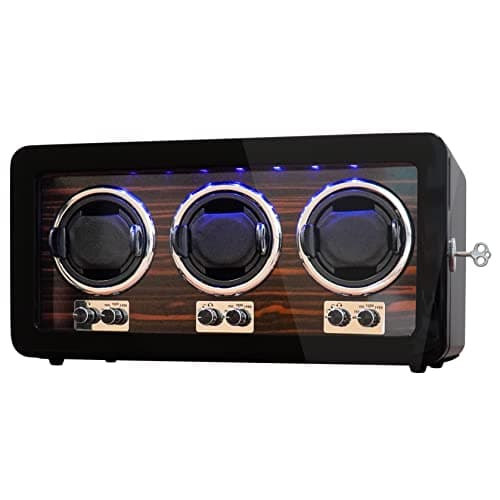
Rothwell Triple Watch Winder
$309.95 · View on AmazonPrice as of October 20, 2026. #ad How we’re funded
Best Watch Winders for Seiko Automatics
What Seiko's 4R and NH movements actually need from a winder — bidirectional rotation and a modest turns-per-day figure — and the winders that deliver it.
Our top pick
Versa Single Watch Winder Elite
$89.99 · View on AmazonPrice as of October 20, 2026. #ad How we’re funded
Best Battery-Powered Watch Winders
Winders that run on AA cells for a safe, a drawer or anywhere without a socket — and the honest cost of running one that way.
Our top pick
Versa Single Watch Winder Elite
$89.99 · View on AmazonPrice as of October 20, 2026. #ad How we’re funded
Best Watch Winders Under $100
Genuinely good winders under $100 — because past a quiet motor and adjustable turns, you're paying for materials.
Our top pick
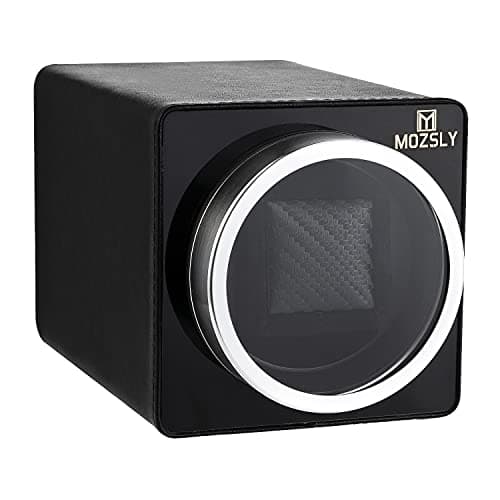
MOZSLY Single Watch Winder
$83.99 · View on AmazonPrice as of October 20, 2026. #ad How we’re funded
Best Watch Winders Under $200
The band where per-position control and genuine multi-watch capacity arrive — exactly what the second hundred dollars buys you.
Our top pick
Versa Single Watch Winder Elite
$89.99 · View on AmazonPrice as of October 20, 2026. #ad How we’re funded
Best Watch Winders With Adjustable TPD Settings
The winders that let you set turns per day and direction yourself, with each maker's published TPD range printed next to it.
Our top pick
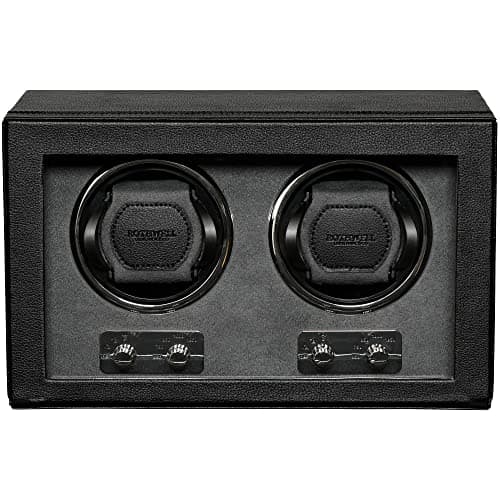
Rothwell Double Watch Winder
$209.95 · View on AmazonPrice as of October 20, 2026. #ad How we’re funded
Best Watch Winder Brands, Ranked
WOLF, Barrington, Versa, Rothwell, Heiden and the budget names - who makes what, and which badge is actually worth paying for.
Our top pick
Barrington Single Watch Winder
$475.00 · View on AmazonPrice as of October 20, 2026. #ad How we’re funded
Best Lockable Watch Winders (and Locking Watch Boxes)
Key locks, a fingerprint reader and locking glass lids compared - plus a straight answer on what a lock fitted to a wooden cabinet is actually worth.
Our top pick
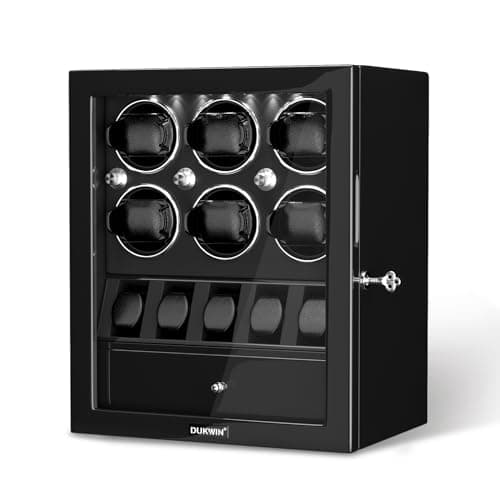
DUKWIN 6-Watch Winder with Storage (Lockable)
$339.00 · View on AmazonPrice as of October 20, 2026. #ad How we’re funded
Best Watch Winders Under $50
Six winders that cost less than a decent strap - and the honest finding that only one maker in the whole band publishes a turns-per-day figure.
Our top pick
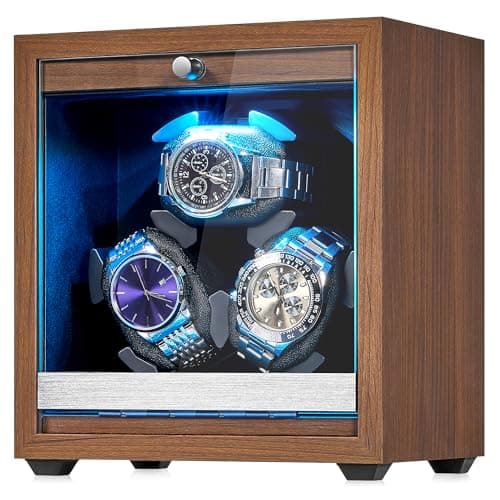
ANWBROAD Wooden 3-Watch Winder
$49.98 · View on AmazonPrice as of October 20, 2026. #ad How we’re funded
Best Wooden Watch Winders
Wood-cased picks from $50 to $340, graded on what each maker actually states - “solid wood”, “wooden case” or merely “wood-finished”.
Our top pick
Oryx 3-Watch Wooden Winder
Best Watch Winders for Citizen Automatics
For the Tsuyosa, the Promaster and the 8200-series calibers - plus the answer half of these searches need: an Eco-Drive does not need a winder at all.
Our top pick
Versa Single Watch Winder Elite
$89.99 · View on AmazonPrice as of October 20, 2026. #ad How we’re funded
How to choose a watch winder
Start with how many watches you actually rotate. If it’s one, a single winder is all you need — don’t buy a four-position box for the two watches you might own someday, because an empty winder position is dead weight. If it’s two or more, insist on independent control per position, so a Rolex and a Seiko can each get the turns and direction they want instead of sharing one compromise setting — our best double watch winders list ranks the two-watch boxes on precisely that.
Turns per day and direction
TPD is simply how many full rotations the winder performs in 24 hours. Most automatics are happy somewhere around 650–1,200 TPD, but the exact figure — and whether the movement winds clockwise, counter-clockwise, or both — varies by caliber. Set the wrong direction and the rotor spins without ever winding the mainspring. A winder with adjustable TPD and a “both directions” option covers almost everything; our TPD settings guide has a reference table by brand and movement.
What decides the price
Three things move a winder’s price, and only one of them affects function: the motor and how quiet it runs, the settings on offer (a fixed program versus a full TPD range), and the case materials and brand. A $30 winder with a quiet Japanese motor and twelve programs winds a watch exactly as well as a $400 one; the premium buys a nicer object and, in the case of a brand like WOLF, a patented cuff and a longer warranty. We flag when the cheaper option does the same job.
The mistake buyers make
Buying a winder before deciding they need one. If you wear the watch most days, your wrist already winds it; a winder mostly earns its place for a rotation of several automatics or a calendar complication you hate resetting. Read do automatic watches need a winder? before you spend anything — the honest answer for a lot of people is “not yet.”
Frequently asked questions
Do I need a watch winder for one automatic watch I wear daily?
Usually no. If you wear an automatic most days, the motion of your wrist keeps it wound, and it will keep good time. A winder mainly helps if you rotate several automatics, or own a watch with a calendar or moonphase that's a chore to reset after it stops.
How many turns per day (TPD) does a watch winder need?
Most automatic movements are happy around 650 to 1,200 turns per day, but the exact figure and the correct direction depend on the caliber. A winder with adjustable TPD and a bidirectional option covers almost every watch. Our TPD settings guide lists common movements and brands.
Will a cheap watch winder damage my watch?
A decent winder set to a sensible TPD won't harm a healthy automatic — the winding mechanism is designed to slip once fully wound. The real risks are a rattly motor that's loud in a bedroom, or a poorly padded cushion that scratches the case, which is why quiet motor and good padding matter more than price.
Single, double or quad winder — which should I buy?
Match it to how many automatics you actually rotate, not to your ambitions. One watch means a single winder; two or more means a multi-winder with independent control per position, so each watch gets its own TPD and direction. An under-filled multi-winder is wasted money.
Sources
- Barrington Watch Winders — How to set optimal winding parameters — A winder maker's guidance on turns per day (TPD) and rotation direction, and why the wrong direction winds nothing — there is no ISO standard for TPD, so maker guidance is the authority (accessed July 21, 2026)
- ISO 22810:2010 — Water-resistant watches — Defines the requirements, test methods and permitted markings for ordinary water-resistant watches (daily use / swimming, not scuba diving) (accessed July 21, 2026)